



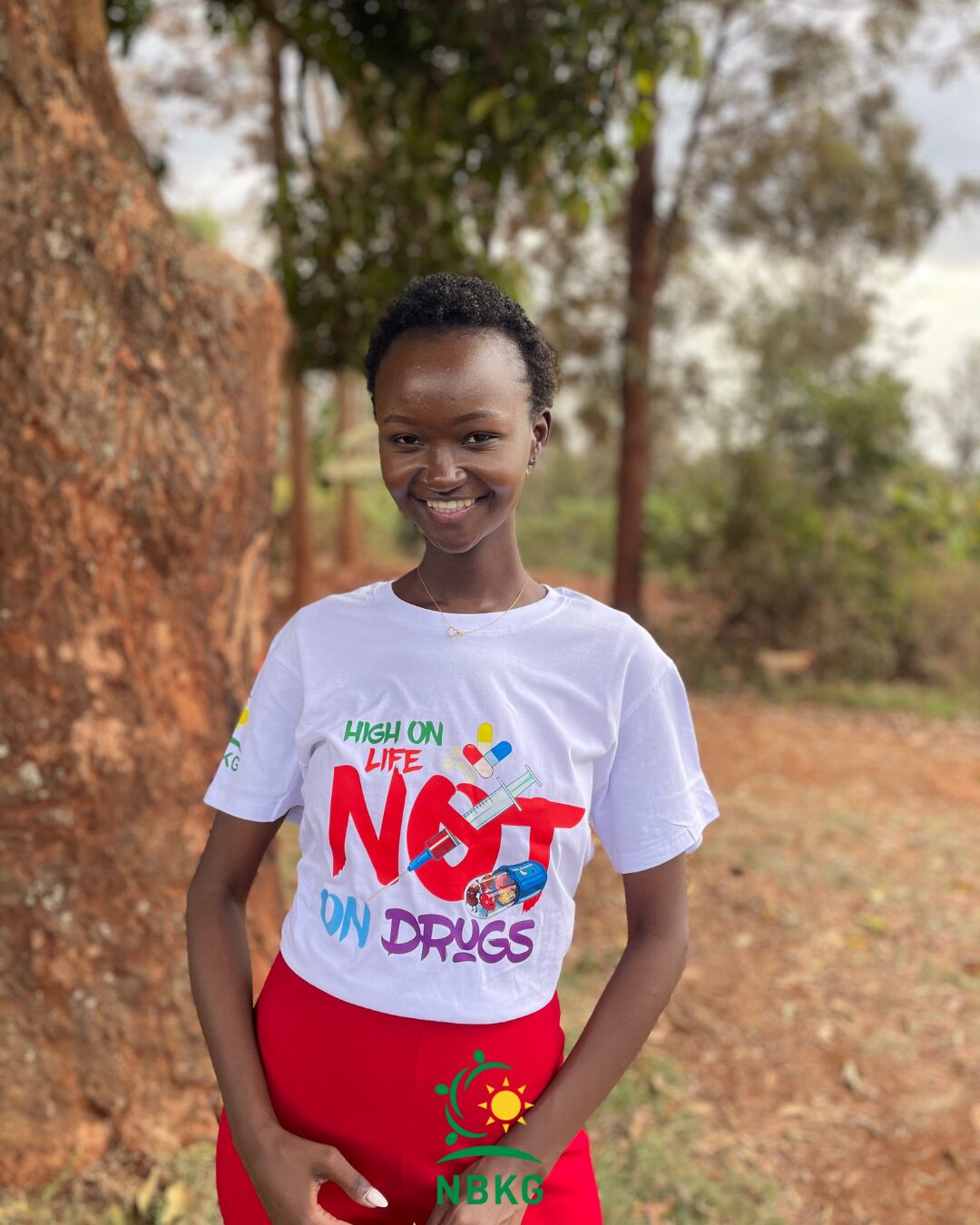
Beryl Mungai, 2023 Aspire Leaders Program alumna from Kenya, has transformed her childhood struggles with isolation and bullying into an impactful organization changing how Kenyan youth access mental health and substance abuse support.
As the founder of New Beginnings Kwa Ground, Mungai has developed innovative approaches to support young people, families, and educators. Her innovative work has earned multiple recognitions from Aspire Institute. She has been a Seed Fund Winner, Community Action Award Winner, and Mountaintop Aspire Institute Fellow. Despite all of this, she admits that she works to kick the feeling of imposter syndrome as a first-generation college graduate every day.
Finding Purpose Through Personal Experiences
Growing up as a middle child, Mungai faced challenges that would later shape her career and driving mission.
“I was very quiet, very isolated, and I became very inquisitive on why I was the way I was,” she recalled. “I was also bullied so there were a lot of mental health issues that I did not know I was experiencing at that point.”
Her mother, who started as a community-level midwife before pursuing nursing while Mungai was an adult, instilled the value of education despite financial constraints. When it came time for university, Mungai initially considered law, wanting to change practices that failed to make her feel a sense of belonging as a kid.
“School was never the safest place. I always felt like there was a lot I had to say, but I did not have the right support system,” she explained.
After high school, her introspective nature led her to pursue a degree in psychology rather than law.
Choosing Psychology to Support Children Like Herself
I think mental health should not be a stigma in this day and age.
Mungai pursued psychology at a rural university despite original hesitations.
“It’s far from where I live in Nairobi,” Mungai said. “It was quite a big culture shock for me, but I think 4 years later I am grateful.”
Over the four years and opportunities like AIESEC, she gradually built confidence, starting with more silent organizational roles and eventually becoming the Local Chapter Vice President of AIESEC.
Hands-On Experiences That Shaped Her Future Career
During her practicum at Kenya’s major mental health hospital, Mungai witnessed a systemic problem that would later define her career.
“I had a lot of encounters with kids being chased away from school for substance abuse,” she said. “Any issue that the teachers could not understand, they would send them to our institution.”
She observed how schools used corporal punishment for what were actually signs of deeper mental health struggles. A grieving 15 year old who lost a parent might stop completing homework or participating in school routines, thus labeled as disobedient rather than receiving appropriate support.
“I think mental health should not be a stigma in this day and age, but unfortunately it is,” she expressed.
Building New Beginnings Kwa Ground
After graduating in 2021, parents from her practicum reached out for continued therapy for their children. What started as individual sessions grew into a practice and ultimately the start of her organization. By 2022, Mungai had secured office space and was seeing clients as a therapist while developing school-based programs.
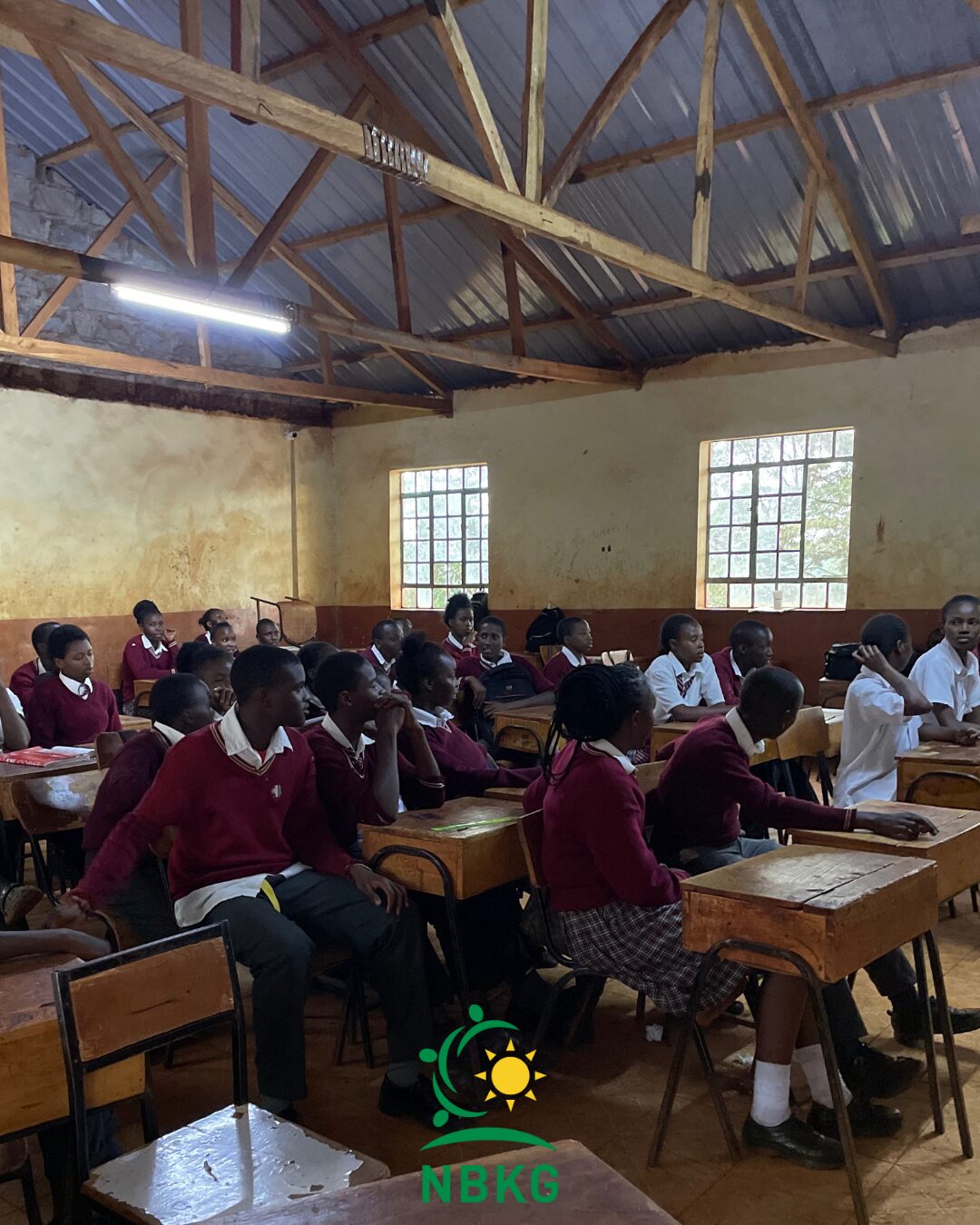
School administrators initially dismissed her as too young and soft-spoken when she began outreach efforts. She leveraged her networks instead and her persistence worked. After successful programs with positive feedback, schools began referring her to others.
The Aspire Leaders Program: Growth and Opportunity at The Right Time
Mungai discovered the Aspire Leaders Program in 2023 at a crucial moment in her life. She was juggling multiple responsibilities while struggling to fund her growing organization through personal resources and small donations.
“For me, Aspire was like a lifesaver,” she explained. “It’s like when you are struggling, you’re in a boat, and you were using your hands to row and find your way to shore, and someone just threw you the paddles. Now, you can row better.”
The program came at the perfect time when she needed leadership skills to run her organization. She also gained a global community of other emerging leaders solving similar challenges with innovative approaches.

“I had gotten so much from Aspire than I had gotten anywhere else,” she reflects. “Maybe it’s also because it came at the right time.”
When she joined the program, she didn’t even know of the financial award opportunities. Having never received funding before, the grant from the Aspire Social Impact Seed Fund felt transformational.
“To be honest, it was like the best day of my life,” she recalled.
Now not only a seed fund winner but an Aspire Mountaintop Fellow, where she pursued a research project, and a Community Action Award Winner, Mungai remains a dedicated and inspiring alum.
Innovative Approaches to Mental Health Access
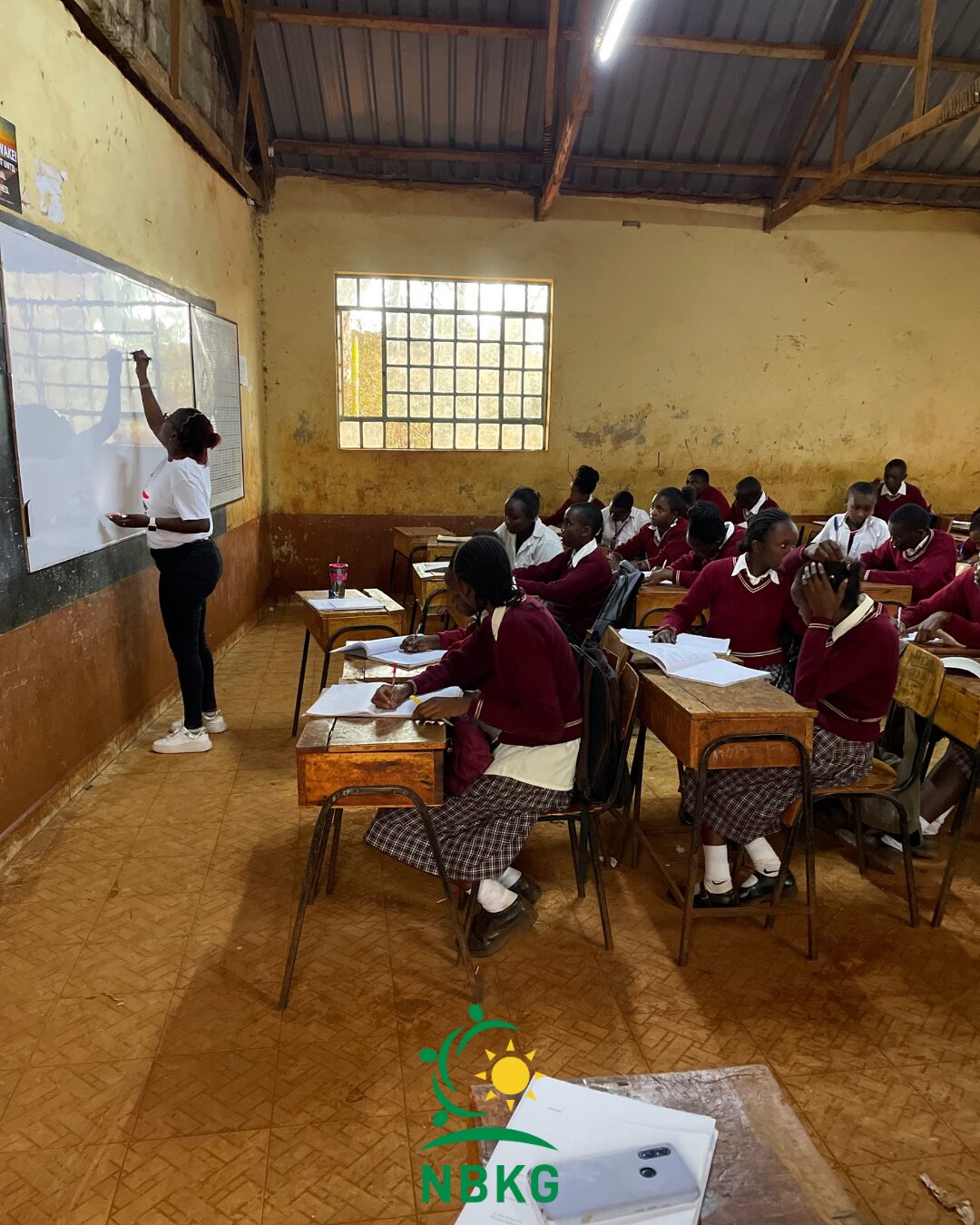
Although originally just an idea, New Beginnings Kwa Ground, now an official organization, raises awareness about substance abuse and mental health to support young people live better lives. They do this through not only supporting children but running school programs and guiding parents.
Aspire Institute’s awards have supported their school-based programs.
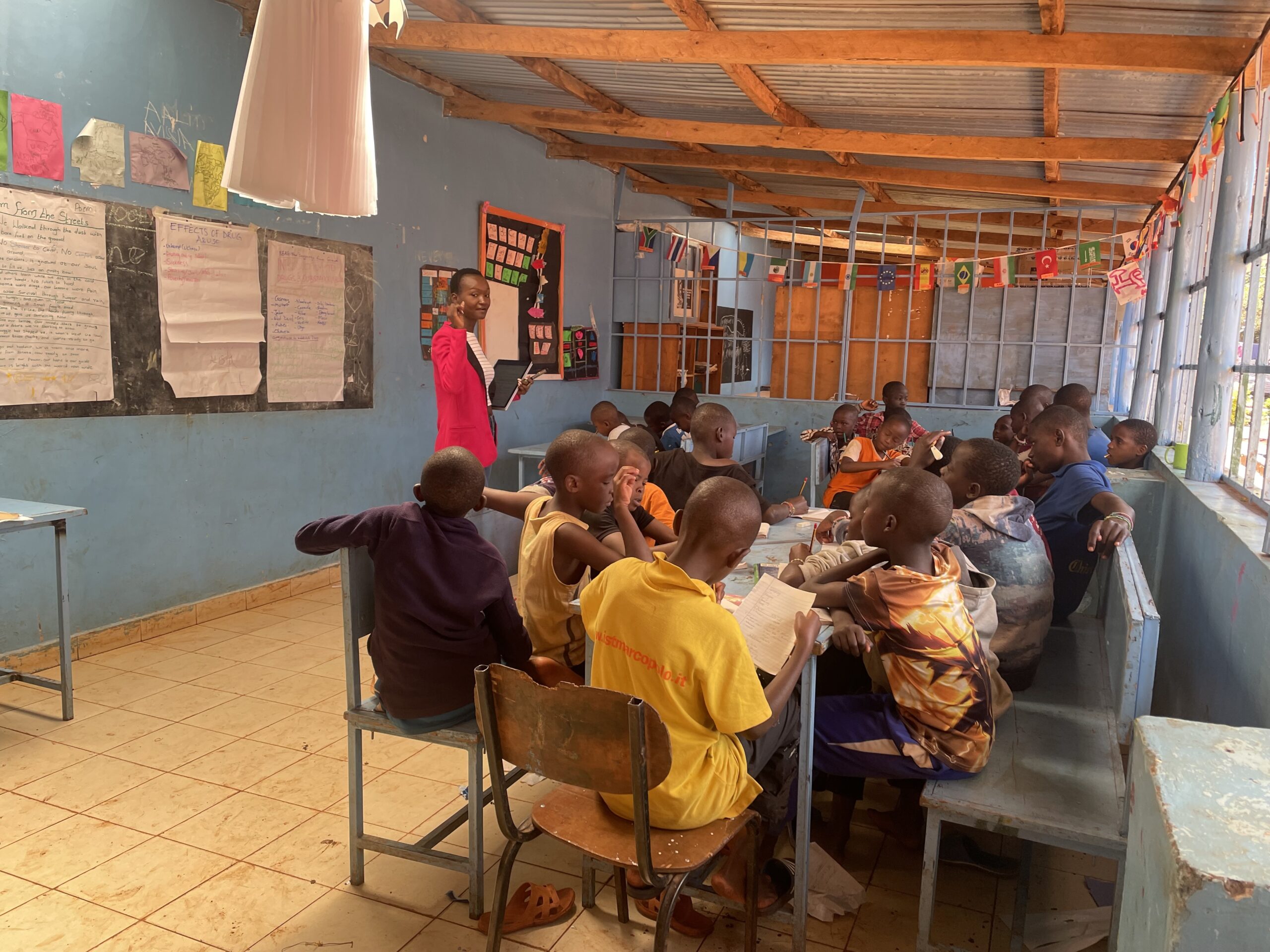
“We’ve come a long way from doing talks to now doing a whole 8 session curriculum that is led by peers,” Mungai said. “Anyone 18-25 we hire for the facilitator or training position. We train them on basic counseling skills.”
They bring in young people interested in and passionate about mental health and substance abuse prevention who want to support young people. They don’t need to be psychologists. Their programs are very fun and interactive to keep kids engaged.
“We draw, we dance, we do icebreakers, we do role plays,” she explained. “It’s very interactive. The kids understand mental health from a very simple perspective.”
Mungai hopes it is a comprehensive approach too – not only helping children but parents and teachers as well.
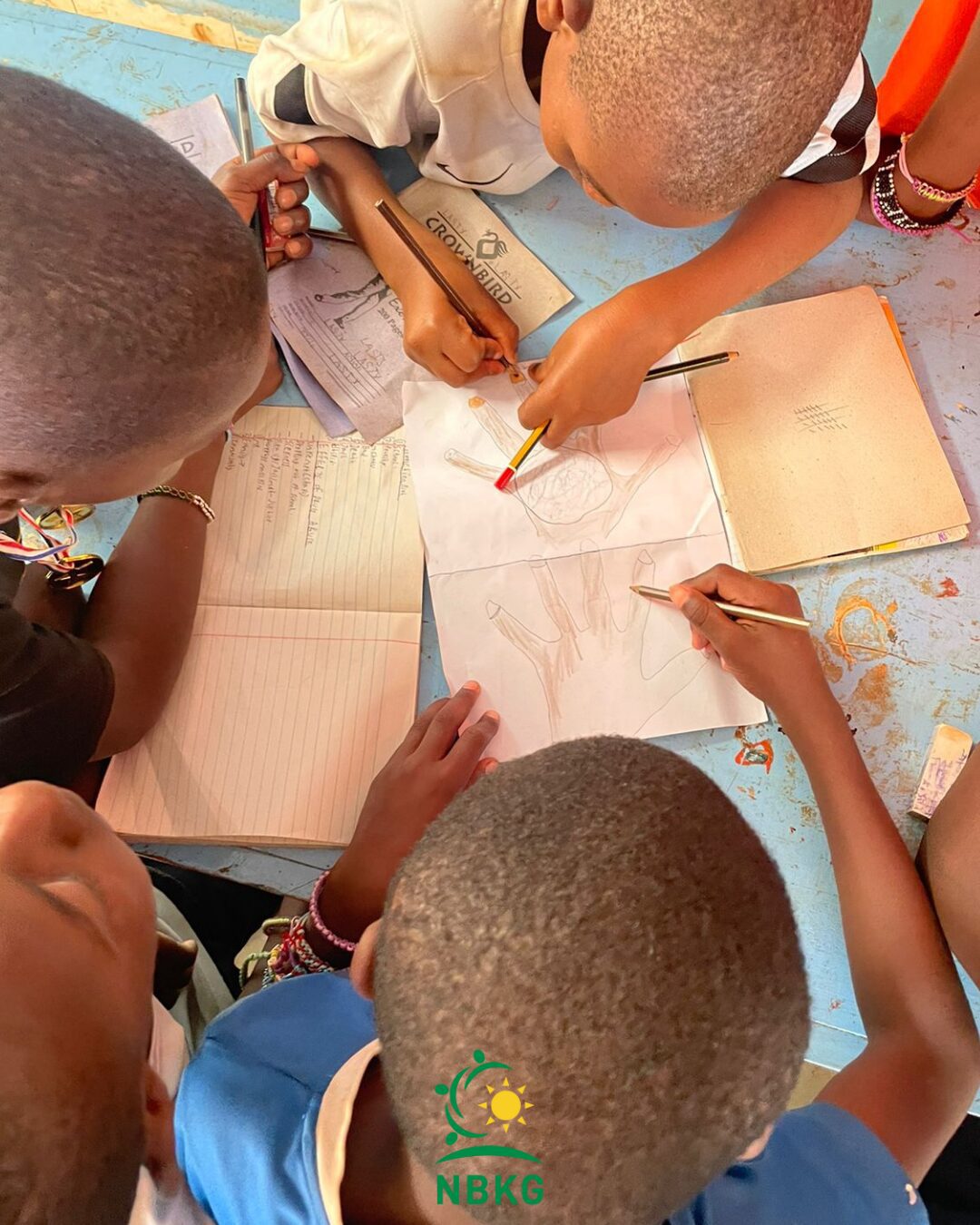
“We have activities that the kids have to go do with their parents [and] activities for teachers and their kids,” she said.
Research Partnership and Evidence-Based Impact
Recognizing the need for data-driven approaches, Mungai partnered with Aga Khan University’s Brain and Mind Institute.
“They use research to come up with evidence-based interventions,” she explained.
This collaboration enables sophisticated data collection on substance abuse and mental health among Kenyan youth – with plans for published research.
Leadership Growth Through Self-Awareness
The Aspire Leaders Program changed how Mungai approaches leadership.
“I am very self-aware,” she said. “I have learned how to use my softness or my personality – still being myself but now I can communicate better.”
She has also developed resilience and can utilize this as a future-thinking leader.
“I take nos with so much grace,” Mungai expressed. “I am so resilient these days, and I think that’s a very good skill for someone to have as a leader.”
Future Vision and Ongoing Innovation
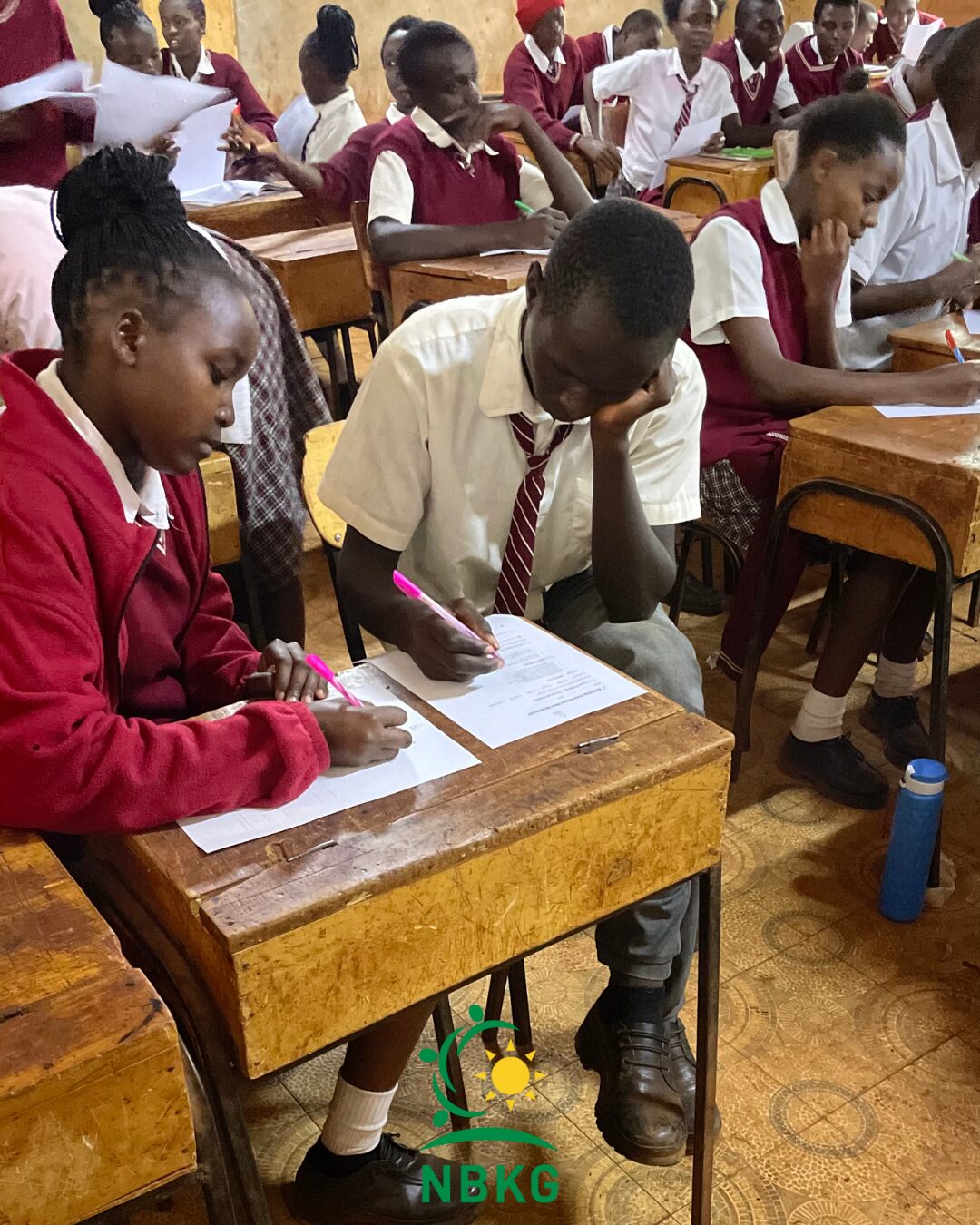
Mungai’s organization continues innovating with plans for a WhatsApp chatbot to provide 24/7 support and self-paced modules for parents and teachers.
“We’re thinking even bigger and better,” she mentioned.
This would build upon and automate their current support on WhatsApp, allowing kids to reach out at any point when they are feeling anxious.
Beyond this, they hope to have self-paced modules for parents to gain training so they can access this at any time.
Through all of this hard work, Mungai hopes policies in schools can change and the stigma surrounding mental health can change.
Advice for Other Emerging Leaders
Drawing from her journey from a shy and isolated child to confident community leader, Mungai offers powerful encouragement to others.
“Your dreams are very valid. What you are thinking of in your head is not madness,” she said. “You don’t have to have something big to change the world or make an impact.”
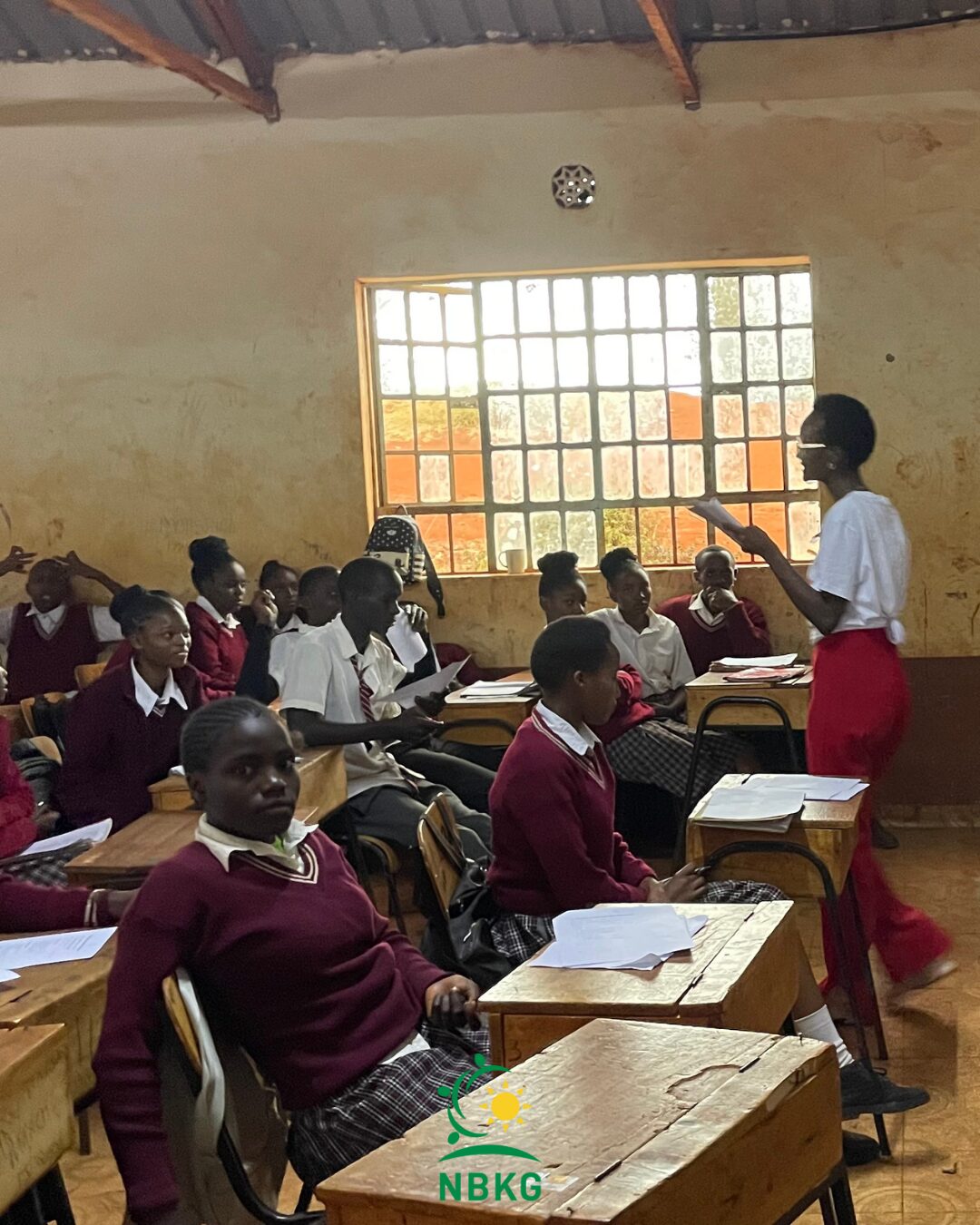
Mungai’s journey as both a low-income, first-generation college graduate and child who felt isolated in school to a confident leader breaking mental health stigma demonstrates how resilience and personal purpose can become powerful forces for social change. Her story showcases how the right support systems and recognition – like the Aspire Leaders Program – can build internal hope and confidence, turning challenges into meaningful community impact.