



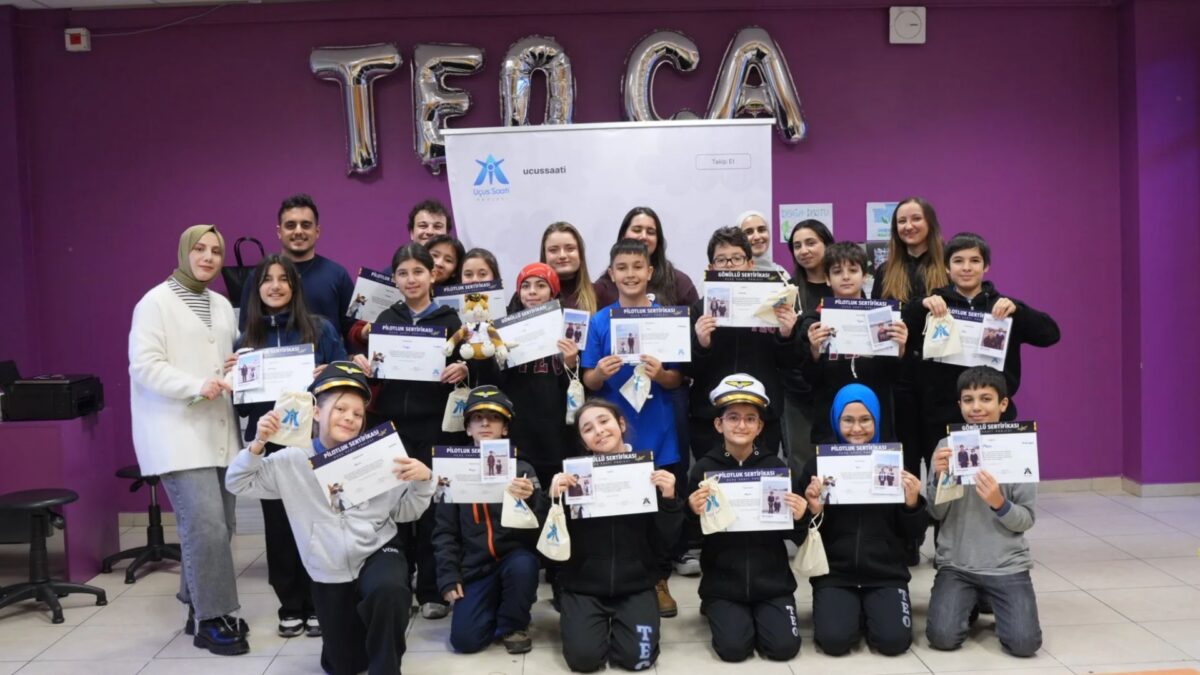
Faruk Emre Ballı, an ALP’25 graduate from Türkiye, measures success not only by how many children attend a Uçuş Saati (Flight Time) event, but by what they begin to imagine afterward. A child who has never considered becoming a pilot may leave believing that the dream is possible. Uçuş Saati is a volunteer-led educational initiative that introduces primary-school children—especially those with limited access—to aviation and STEM through flight simulators, virtual-reality experiences, and hands-on activities.
Ballı’s journey shows how education, volunteerism, and leadership can come together to create meaningful opportunities for young people. Through the Aspire Leaders Program and his work with Uçuş Saati, he has developed his own leadership while helping children discover new possibilities.
Connecting With a Global Community
Ballı is completing his final year of university in Ankara, Türkiye, where he studies Genetics and Biological Computing. Alongside his academic interests, he is passionate about technology and expanding opportunities for young people. He first discovered the Aspire Leaders Program through Instagram. What began as an online application connected him with an international community of students and emerging leaders. Ballı especially valued the program’s clear structure, leadership training, and the friendships he formed throughout the experience.
Reflecting on the program, he described Aspire as “Kendini geliştirme alanında inanılmaz bir fırsat sağlayan bir yol”—a path that provides an incredible opportunity for self-development.
Applying Leadership Beyond the Program
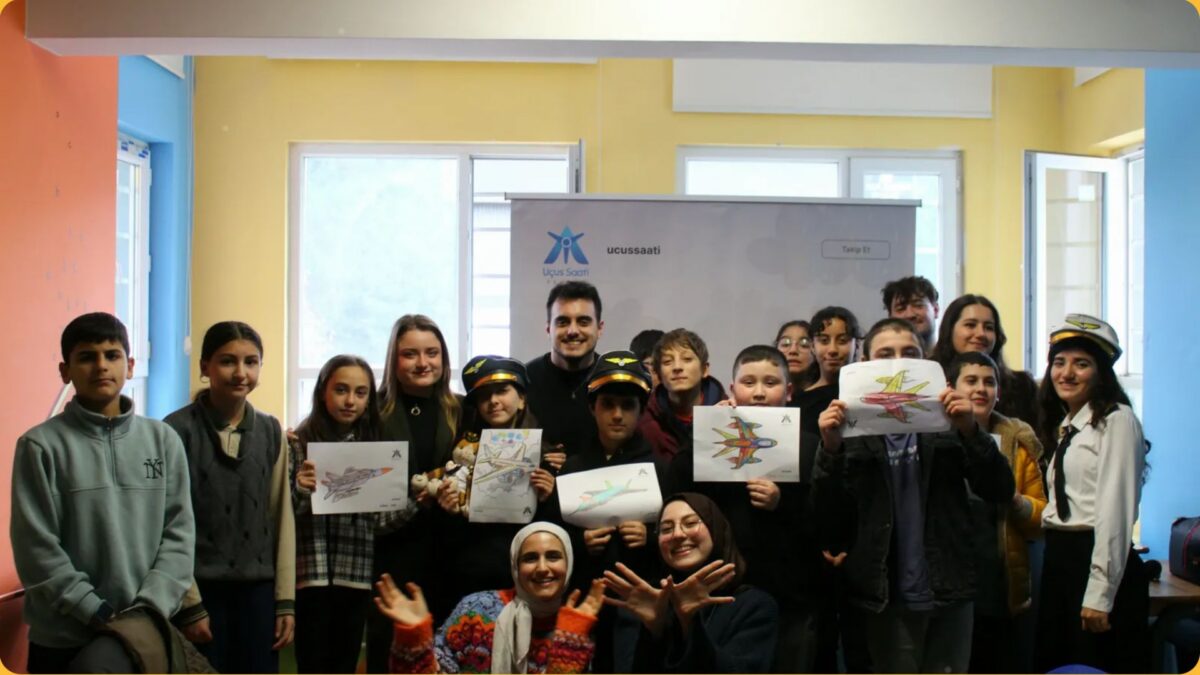
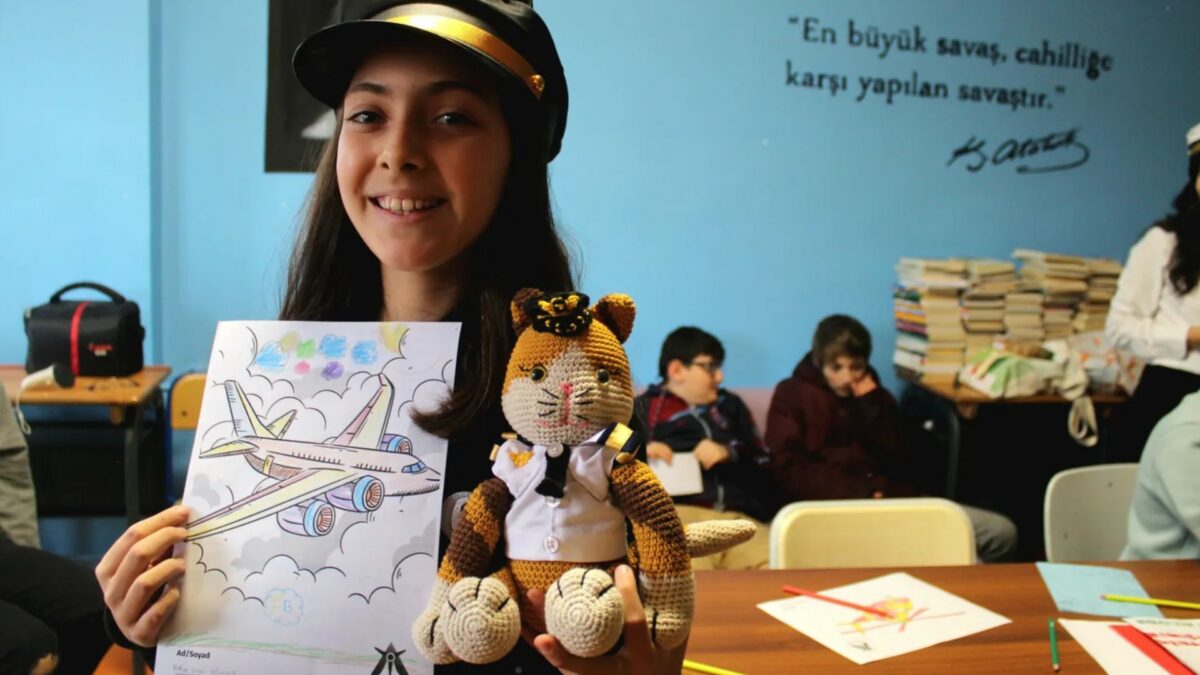
After completing Aspire, Ballı became involved with Uçuş Saati, an educational social-impact initiative founded by Can İnce. The project introduces primary-school children across Türkiye to aviation and STEM through portable flight simulators, virtual-reality experiences, and hands-on educational activities. Uçuş Saati focuses especially on children who may have limited access to these opportunities, including students in public schools, rural communities, and earthquake-affected regions. Instead of only reading about aviation, children can control a simulator, ask questions, experiment, and begin to picture themselves in aviation or technology-related careers.
Ballı contributes through the project’s academic research and organization teams. His responsibilities include helping prepare educational content, supporting event planning, and working with volunteers to make each activity both engaging and informative. His role demonstrates that leadership does not require being the founder of a project. It can also mean strengthening an existing vision, contributing your skills, and helping a team reach the people it was created to serve.
Helping Children Imagine New Futures
Support from the Aspire Community and the Aspire Seed Fund helped Uçuş Saati expand its reach. At the time of the interview, the project had engaged more than 500 children through approximately 11 events. The team was also preparing to deliver around 12 additional events and reach more than 600 further participants.
For Ballı, however, the strongest evidence of impact is often found in individual moments rather than statistics. At one event, a child who had previously known very little about aviation said, “I want to become a pilot.” Months later, the same child returned wearing a pilot-themed T-shirt.
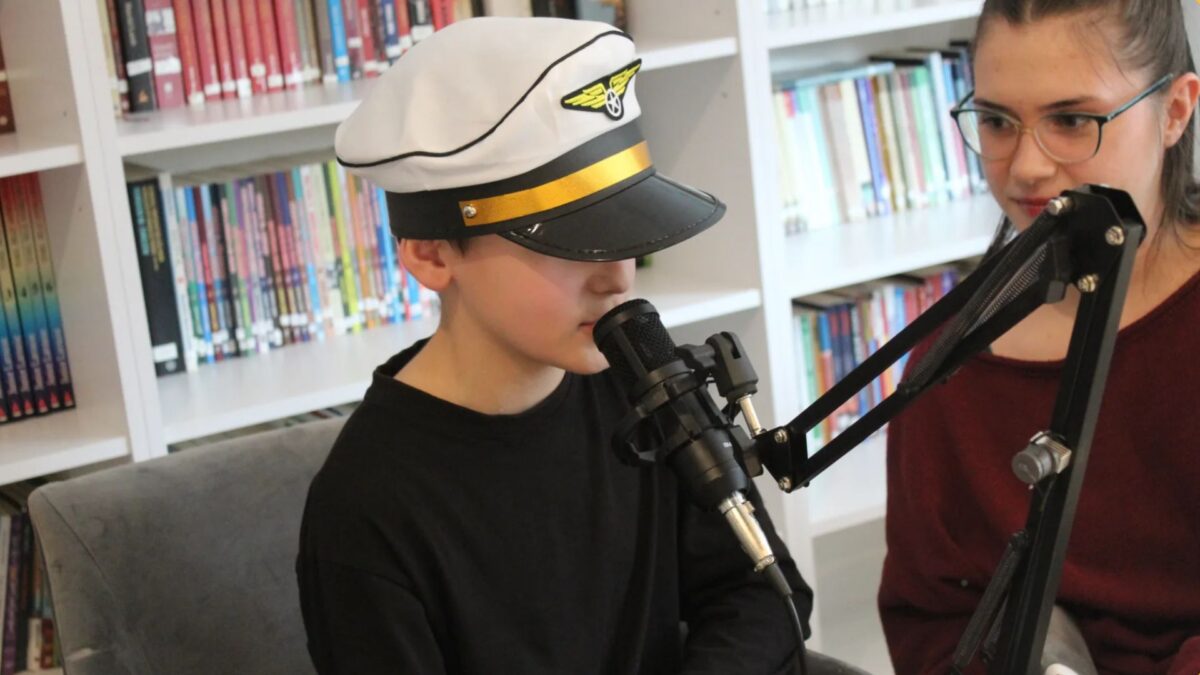
That memory stayed with Ballı because it showed that the experience had created more than temporary excitement. The child had started to see aviation as part of their own possible future.
These moments capture the purpose of Uçuş Saati. Exposure can change what a young person believes is achievable. When children are given the chance to experience something unfamiliar, ask questions, and see themselves represented in a new field, an abstract ambition can begin to feel real.
Growing Through Structure and Collaboration
As Uçuş Saati expanded, the team introduced clearer systems to coordinate its volunteers and activities. The initiative now operates through six teams, including coordination, organization, science, and communications. Volunteers can participate in no more than two teams, helping responsibilities remain focused and manageable.
The project also introduced defined weekly tasks, clearer roles, and shared planning processes. These structures have helped the team maintain transparency and coordination as the initiative has grown.
Looking Ahead
Uçuş Saati’s next goals include delivering 12 events within six months, reaching more than 600 additional children, and developing activities specifically for children in earthquake-affected regions. The team is also exploring further development opportunities through the CAA program.
Ballı encourages university students to develop their own ideas and apply to Aspire. His experience began with an Instagram post, but it grew into a journey shaped by leadership, service, collaboration, and a commitment to expanding opportunity. Today, his work with Uçuş Saati continues to show what leadership can look like in practice: using knowledge and teamwork to help young people imagine futures that once felt out of reach.