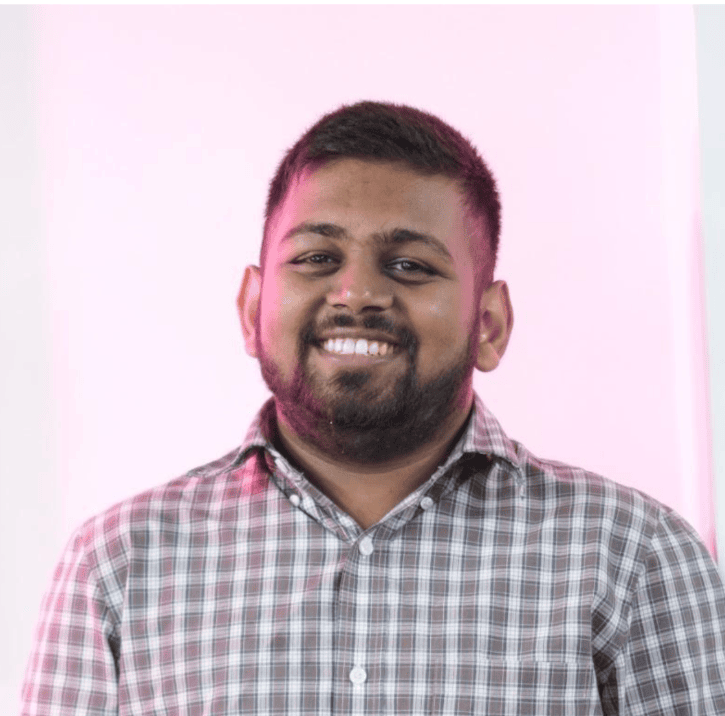
Sanju K S (ALP ‘25) is a youth climate advocate and community builder from Kerala, India. He is a Seed Fund winner and a newly selected beVisioneers Fellow. His work turns climate knowledge into something communities can actually use.
Spotting the gap
Sanju’s project grew out of something he noticed while working in climate education. “People may understand that climate change is happening,” he says, “but they often lack the tools, information, and opportunities to respond to it effectively.”
In other words, awareness on its own was not enough. Knowing about a problem is different from knowing what to do about it, and that gap became the starting point for his work.
His first response was the Climate Learning & Action Hub (CLAH), which helped college students connect what they learned about climate change with practical action in their own lives and communities.
From CLAH to Kerala Climate Shield
The Aspire Seed Fund supported CLAH at an important early stage. It let Sanju develop a hands-on approach to climate learning and test how awareness could turn into real action.
For Sanju, the fund’s value went beyond that first project. “It helped create space to test ideas, learn from implementation, and develop a clearer direction for the next stage,” he explains.
That space to experiment is exactly what an early-stage idea needs. By trying things out and seeing what worked, Sanju learned that education was only one piece of the puzzle. Communities also needed reliable local climate information and the skills to interpret it.
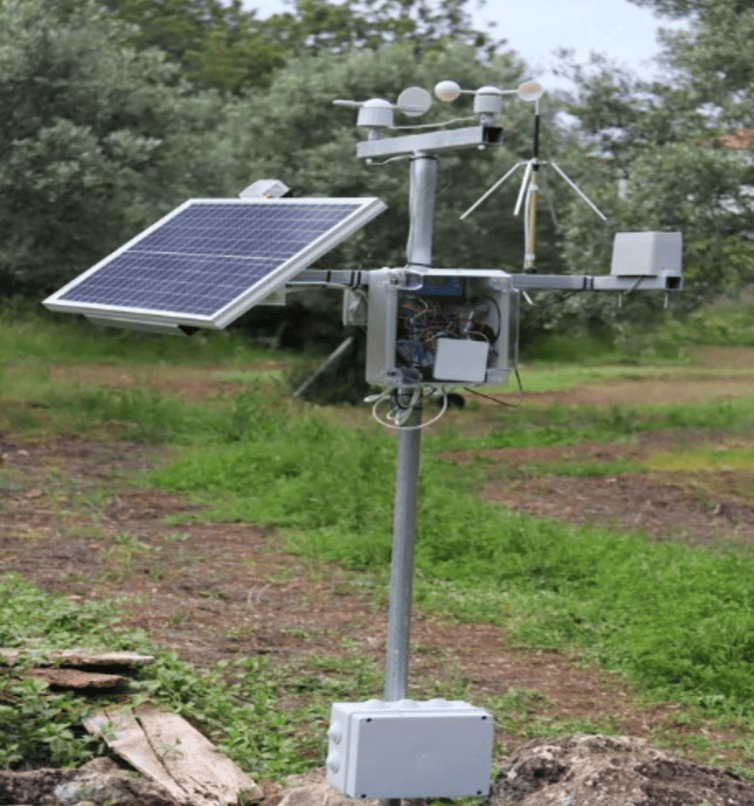
That insight led CLAH to grow into Kerala Climate Shield, a broader initiative focused on making climate information accessible and strengthening community resilience. The project builds on its roots in awareness and capacity building, while working toward school-based weather monitoring and locally relevant climate data.
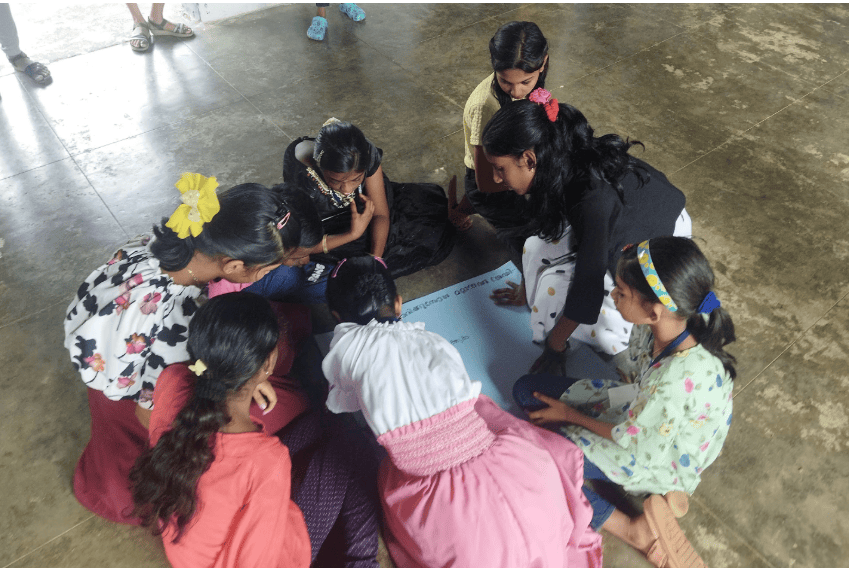
Sanju sees schools and young people as the natural starting point. They can become centres of learning, observation, and community engagement. As he puts it, the goal is for climate information to become “something people can use, rather than simply something they hear about.”
This is the heart of his approach. Instead of telling people about climate change from a distance, Kerala Climate Shield aims to put useful, local information in their hands so they can make better decisions about their own lives.
The beVisioneers Fellowship and lessons learned
Sanju was recently selected as a beVisioneers Fellow. He says the selection process pushed him to think critically about the problem he wanted to solve and whether his ideas were feasible. It reinforced the value of “understanding the problem deeply, testing assumptions, and being willing to evolve a solution as new insights emerge.”
Those three habits have shaped how Sanju builds. Rather than holding tightly to his first idea, he keeps checking it against what he learns and adjusts as he goes.
The fellowship has also strengthened his motivation to explore how technology, local climate information, and community participation can work together. It has encouraged him to think beyond launching a project and toward building something that lasts.
That way of working has helped him with his biggest challenge so far: moving from awareness-based programs to solutions for more complex, real-world needs. Getting climate information to communities involves technical development, partnerships, resources, and implementation, all much harder than running a workshop.
“Rather than treating the original project as a fixed idea, I have tried to let the problem guide its evolution,” Sanju says.
This mindset explains how CLAH became Kerala Climate Shield. Sanju let the needs he discovered on the ground decide where the project went next. Today he is learning to balance long-term ambition with manageable steps, find the right collaborators, and stay open to refining his approach.
Looking ahead
Over the next three to five years, Sanju wants Kerala Climate Shield to become a model that connects climate education, school-based weather monitoring, and accessible climate information for communities across Kerala.
He pictures participating schools as hubs where students learn about climate and track local weather. The data they gather would help their communities understand their own environment.
His ambitions go further still. He hopes to bring the approach to nearby districts first, then other Indian states, and eventually other countries, adapting it to local needs each time.
“Ultimately, I want our work to help bridge the gap between understanding climate change and being better equipped to respond to it,” he says.
That goal brings his story full circle. The same gap he noticed at the very beginning, between knowing and acting, is the one he hopes to close at scale.
Advice for young changemakers
Sanju’s advice to young entrepreneurs in India is to start with a problem they truly care about, listen to the people living with it, and let their solutions evolve.
“We often feel pressure to have a perfect idea from the beginning,” he says. “My experience has shown me that some of the most important learning happens after you start.”
His point is that waiting for a perfect plan can keep good ideas from ever getting off the ground. Starting small and learning along the way is how CLAH became Kerala Climate Shield, and the same approach can work for anyone with an idea worth pursuing.