



The Community Action Award (CAA), one of Aspire Institute’s most prestigious grants as part of the Extended Leadership Program, empowers and supports Aspire Leaders Program alumni who have developed a community project and wish to further their impact with funding from Aspire Institute. Recently, we awarded twelve alumni with up to $5,000USD to support their inspiring projects over the following year.
Learn more about their projects below:
Africa & MENA

Atwau Pius ALP ’23
Uganda
After participating in the Aspire Leaders Program, I was inspired by the concept of adaptive problem solving. With my background in medicine and observations of how patients with chronic illnesses are cared for, I realized that managing diabetes demands an adaptive, patient-centered approach.
Ask the Doctor
A hybrid health initiative combining a mobile app and community health camps, Ask the Doctor seeks to improve non-communicable disease (NCD) in Uganda, starting with type two diabetes. By delivering culturally relevant education, screenings, and ongoing support, the project aims to reach over 100 individuals with personalized care and over 300 tailored health messages, laying the foundation for a scalable, patient-centered NCD model.

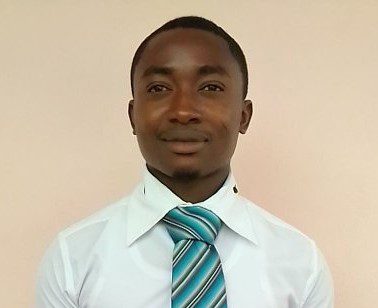
Ache William Anubofeh ALP ’24
Cameroon
I grew up from a rural farming family [and] lost my father while in college. With my mother’s efforts, I depended on income from farming for my education. It was my second year in the university that my mother suddenly died of stress from farming. I [decided to] dedicate my life to serve my community to change the narrative for people in farming. When I saw how tech skills and tools could support small-scale farmers to increase yield with less effort and time, I felt fulfilled that I’ve found my calling.
The People’s Enterprise
The People’s Enterprise simplifies access to climate-smart agricultural tools and training for farmers in Cameroon. With a dedicated training center, the project provides women and youth with affordable resources and hands-on instruction, enhancing farm productivity and sustainability across rural communities.
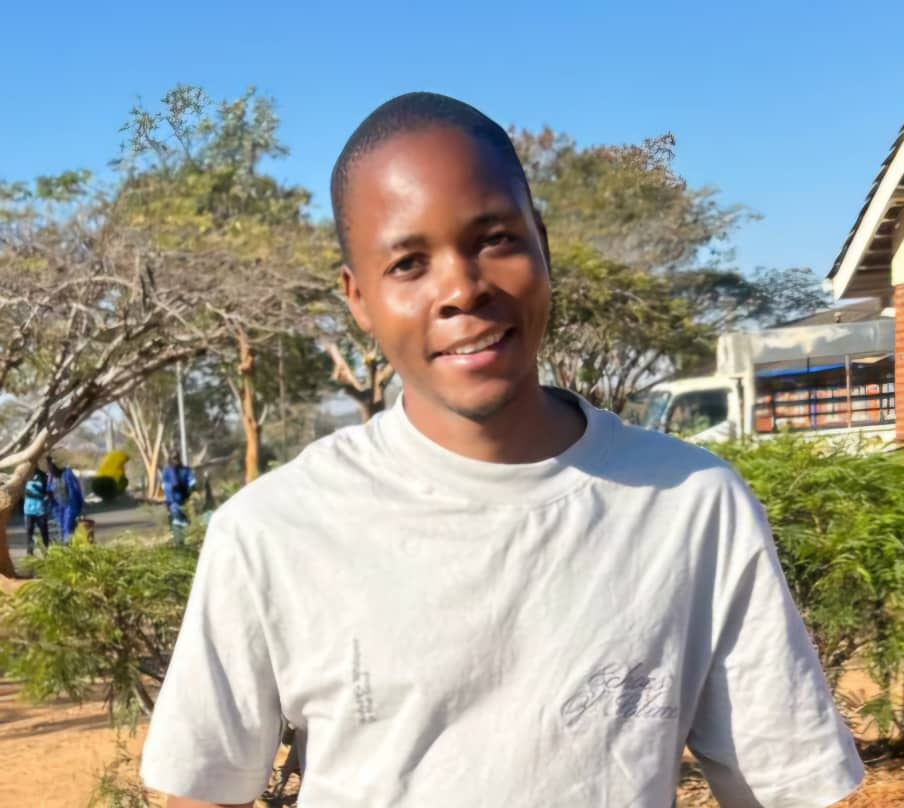
Anorld Tsvigu ALP ’24
Zimbabwe
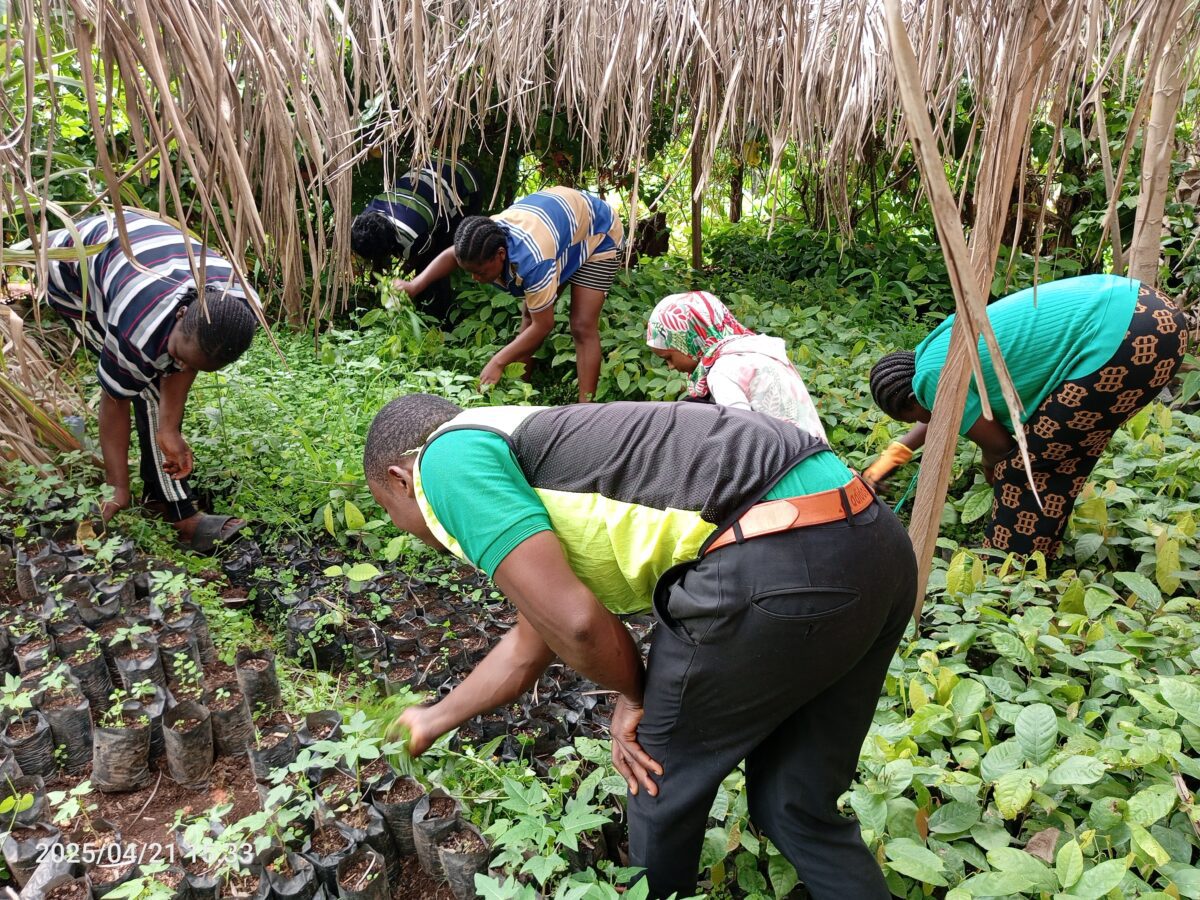
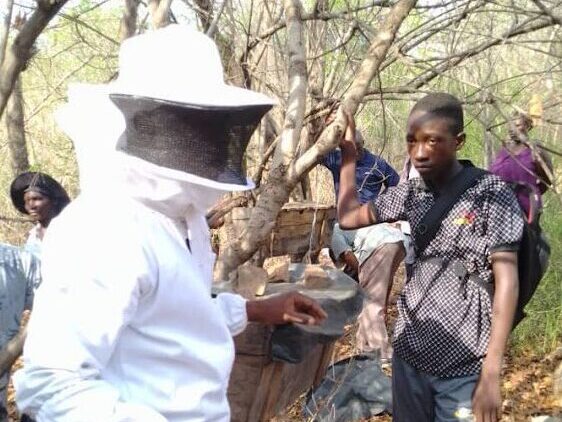
Growing up in Hurungwe West, in the Deve area, I watched the forest that once shaded my childhood slowly disappear, destroyed by local beekeepers struggling to survive through destructive methods. I believe that by equipping communities with modern knowledge and tools, we can protect our forests, restore biodiversity, and create meaningful livelihood opportunities.
Sustainable Beekeeping for Climate Resistance
This project promotes sustainable beekeeping as a climate adaptation strategy in Hurungwe District. By training youth and rural communities in modern beekeeping, it supports biodiversity, reduces deforestation, and generates income, improving both ecological and economic resilience.
Asaf Nady ALP ’24
Egypt
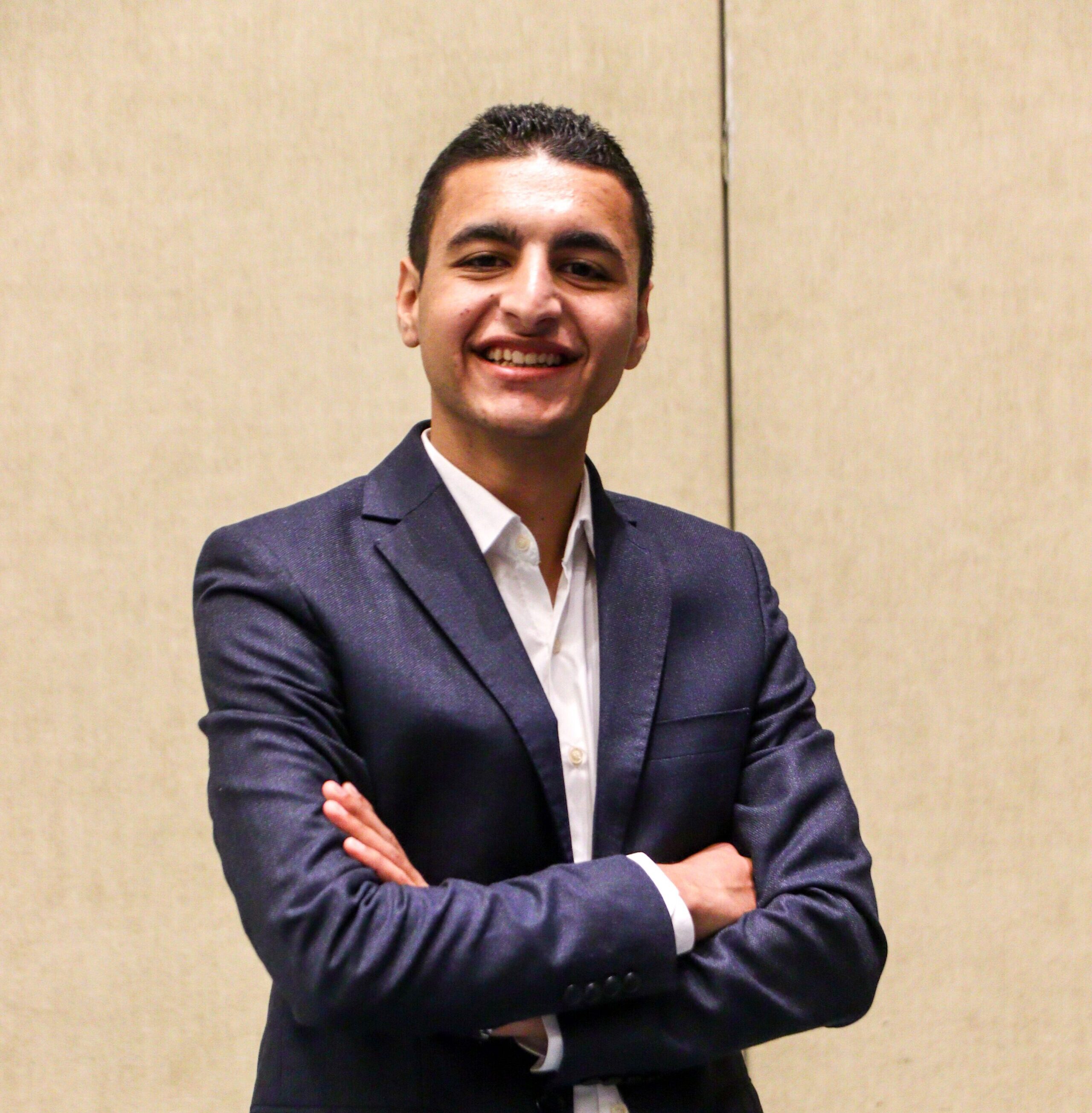
I founded ScholarX for every student like me — talented, ambitious, but overlooked because of where they came from. ScholarX offer[s] the support I never had: mentorship, resources, and access to life-changing opportunities. My mission is simple—to make sure no student is left behind.
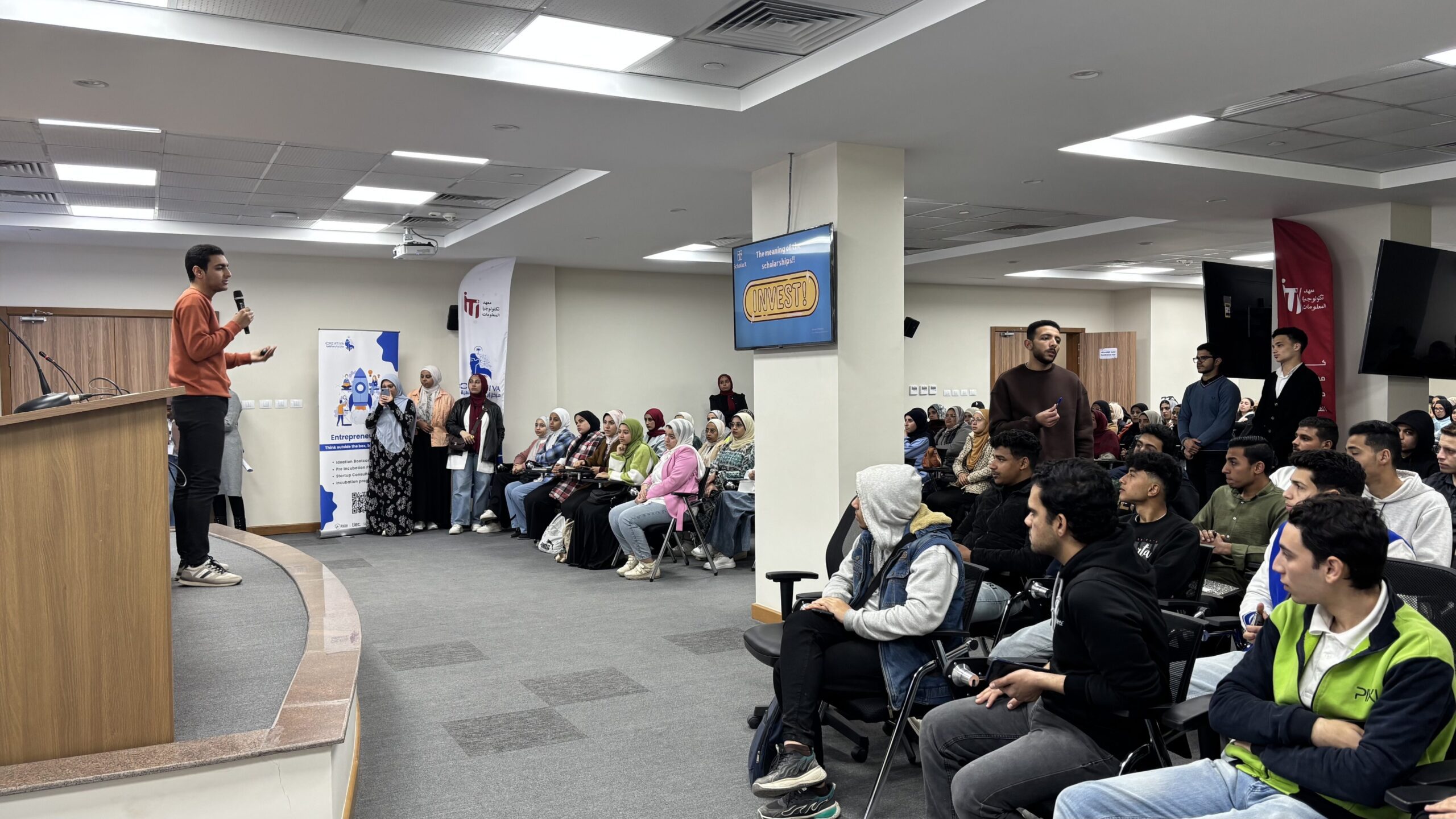
ScholarX – NextScholar
ScholarX empowers 4,000 underserved students in Upper Egypt by connecting them to scholarship opportunities and preparatory mentorship. Through a centralized platform and peer support communities, the project creates pathways to higher education for marginalized youth and bridges the access gap in rural regions.

Beryl Mungai ALP ’23
Kenya
Growing up as a middle child, I often felt overlooked and unheard. I was bullied in school and silently battled emotions I didn’t have words for. I never turned to drugs, but I watched some of my classmates do so, seeking escape, acceptance or even both. I saw how quickly things could spiral when no one steps in to help. This personal experience stayed with me, especially as I began working with young people facing similar struggles as an early psychologist in my career.
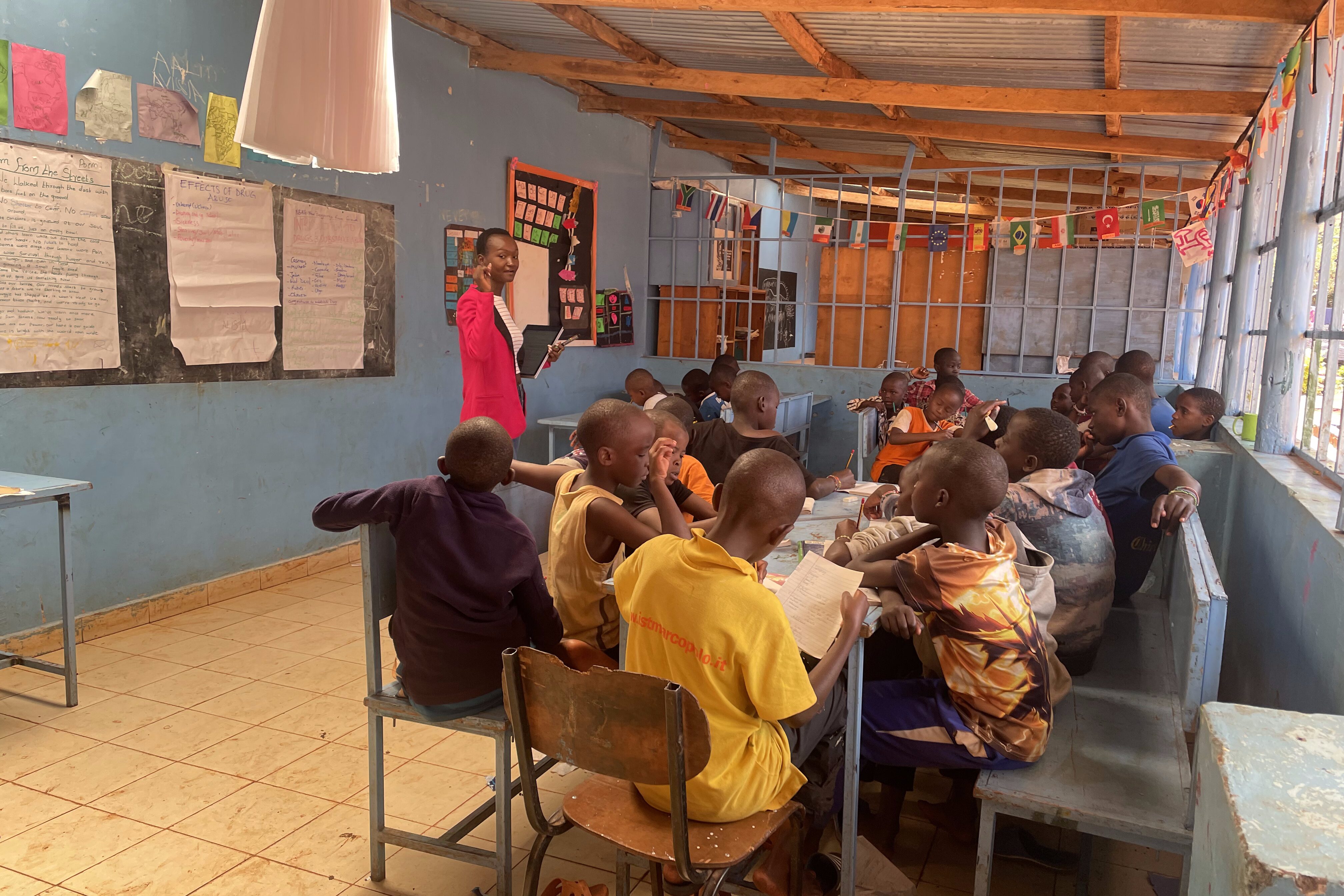
Kwa Ground Shuleni
Through Kujali, which means care in Swahili, Kwa Ground Shuleni facilitates an eight-session, school-based intervention targeting drug and substance abuse prevention among Kenyan adolescents aged 12–18. It integrates mental health support, communication training, and parental engagement to build resilience and reduce risky behaviors, looking to reach over 5,000 students, 500 parents, and 200 teachers in the coming year.
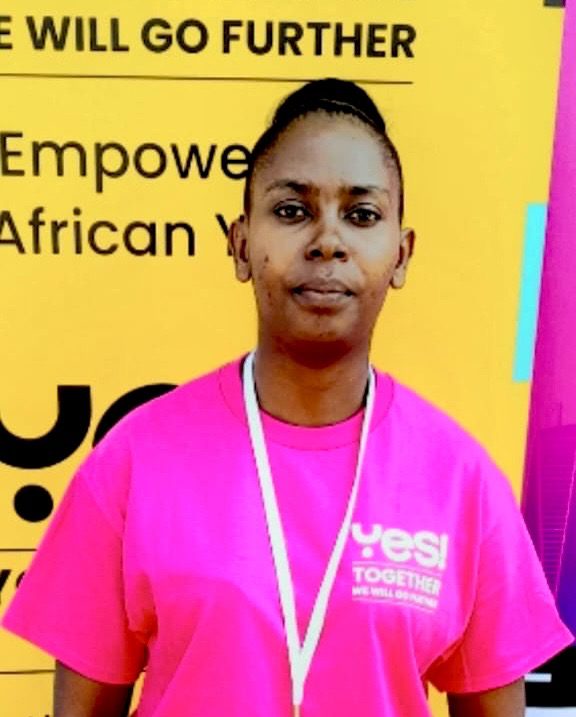
Gladys Muoki ALP ’24
Kenya
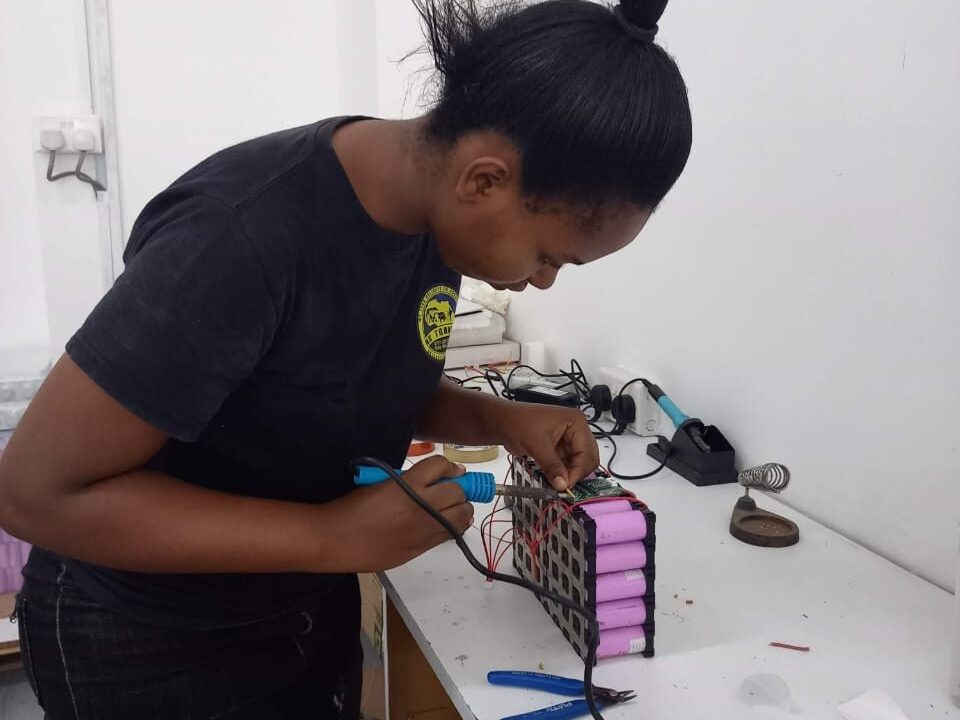
Seeing how discarded batteries could be repurposed into affordable energy solutions made me realize there was an opportunity to tackle two problems at once — environmental pollution and lack of access to clean energy.
Ecolith Africa
Ecolith Africa addresses both e-waste and energy poverty by collecting and repurposing lithium-ion cells to build batteries for solar and electric vehicles. The initiative aims to reduce environmental pollution while providing affordable, clean energy solutions to marginalized communities across Kenya.
South Asia & East Asia
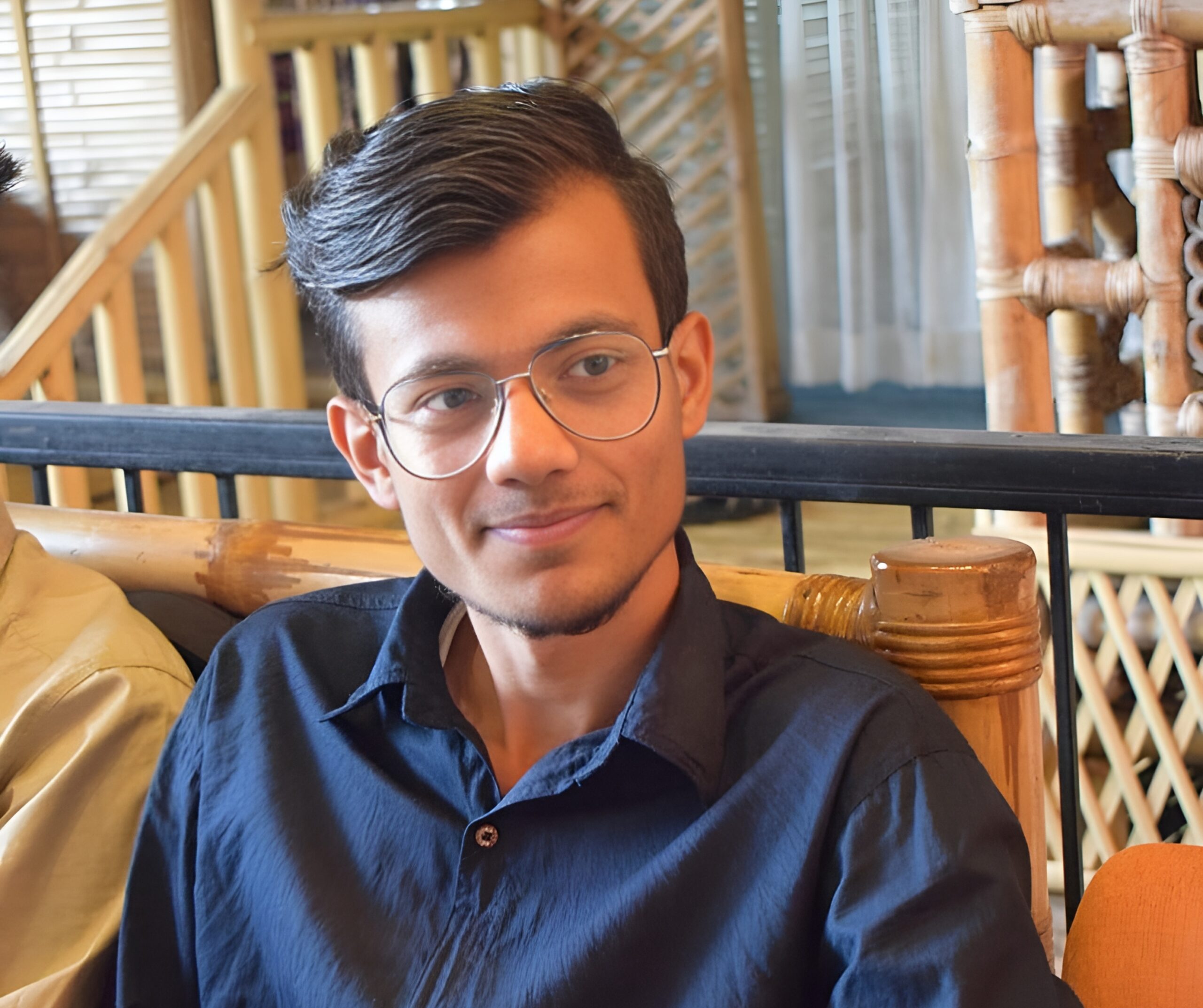
Chiranjeevi Joshi ALP ’24
Nepal
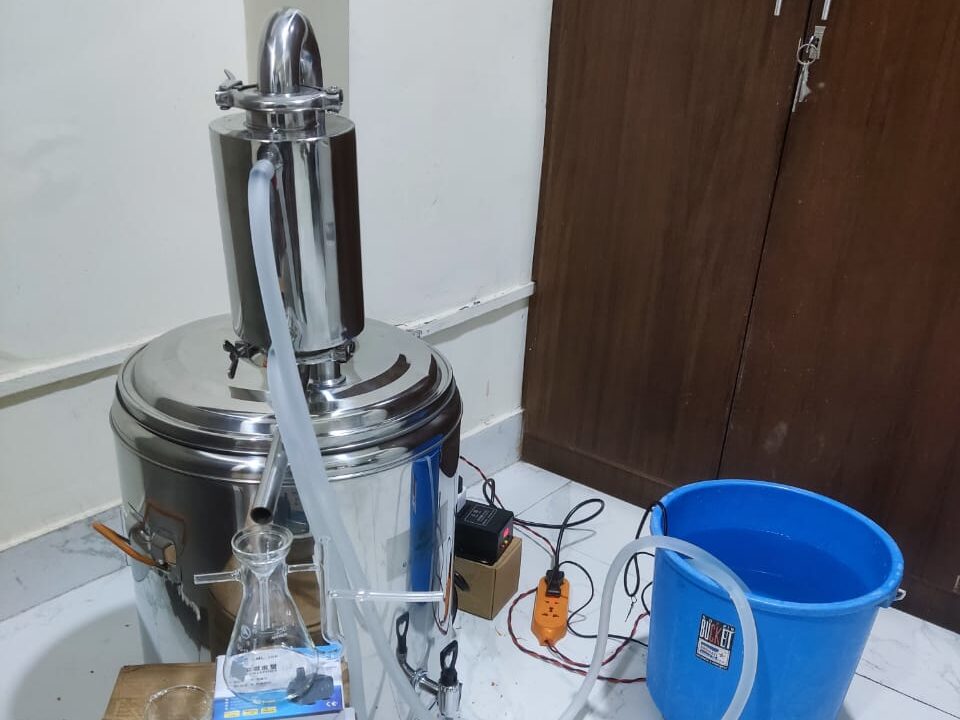
My primary motivation comes from witnessing firsthand the damage invasive plant species are causing across our diverse ecosystems. Instead of viewing these plants solely as a problem to be eradicated, I began to see them as a vast, untapped resource.
EcoEssence
EcoEssence tackles environmental degradation by harvesting invasive plant species and transforming them into high-value essential oils. The dual impact: restoring native biodiversity and creating new economic opportunities for local communities through sustainable production.
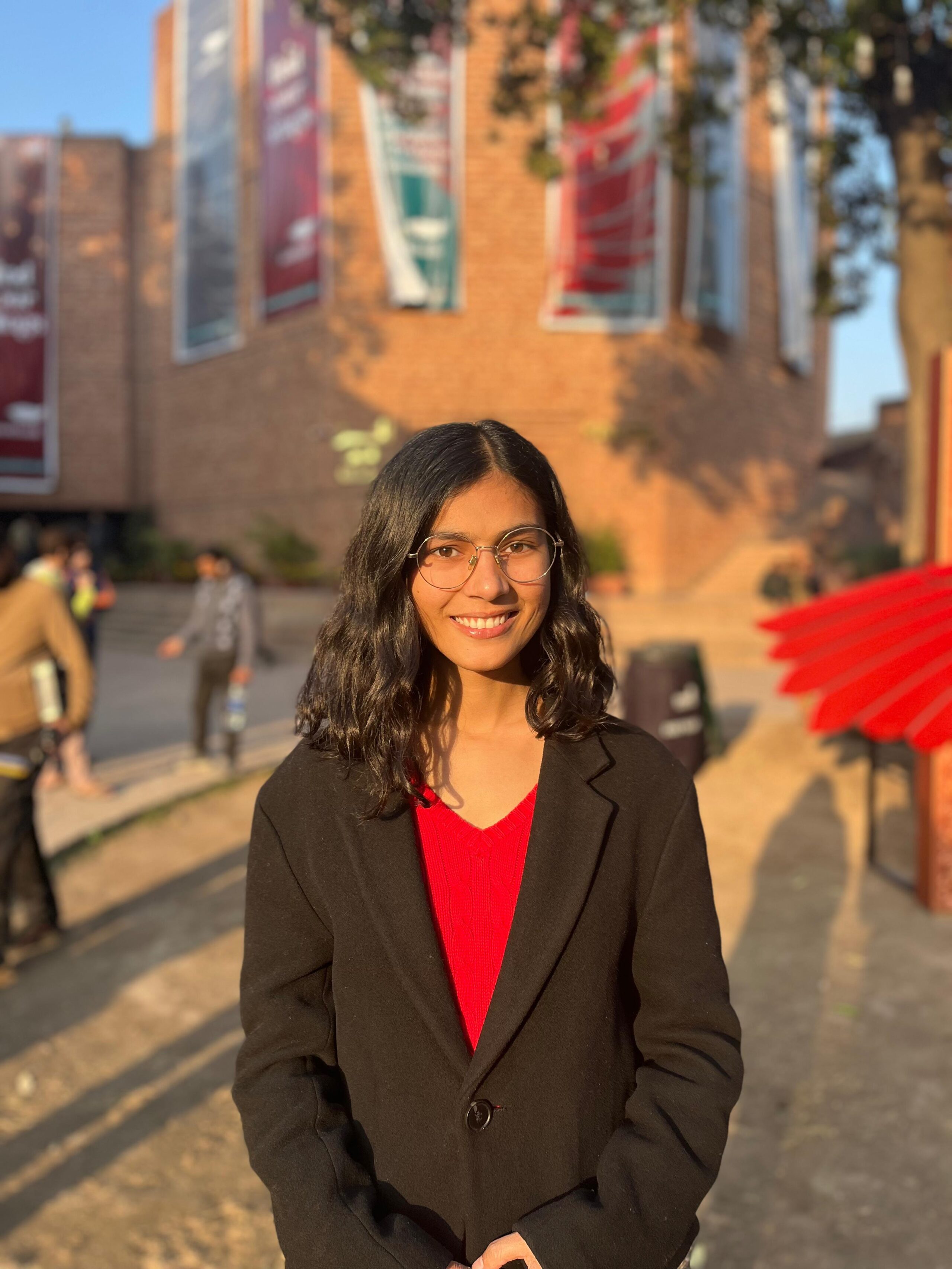
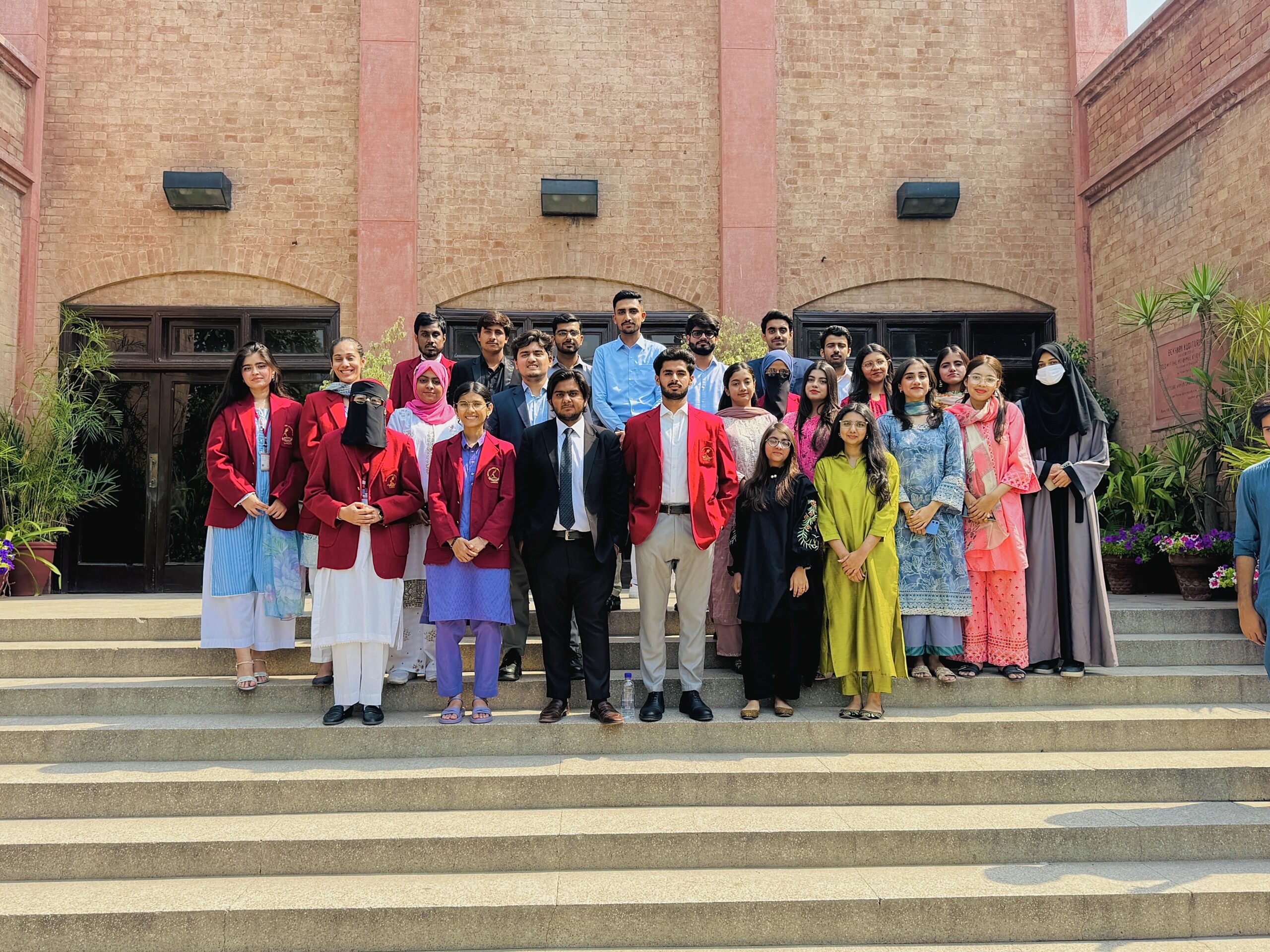
Fatima Bibi ALP ’24
Pakistan
OMG! [Winning the CAA award] was literally a dream that came true. I never imagined that at the age of 21, I’ll be expanding my work even before my formal graduation.
Zindagi Taleem Sey (Life Through Education)
This flagship initiative addresses gaps in agricultural education and research by training 400 smallholder farmers, producing a documentary to amplify farmer voices and building a youth volunteer network. The goal is to promote sustainable agricultural practices and empower rural communities through education and storytelling.
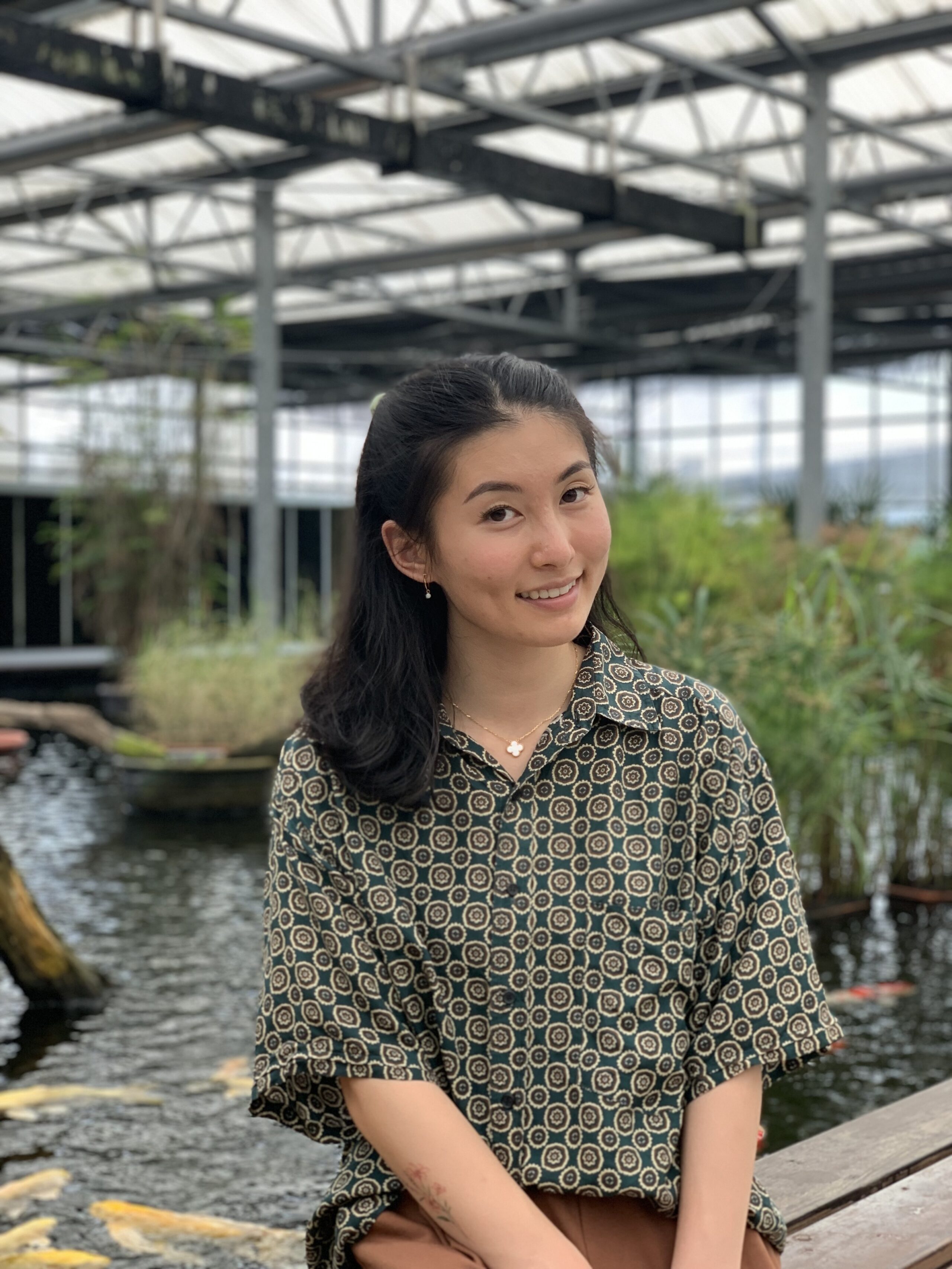
Lily Tang ALP ’24
Taiwan
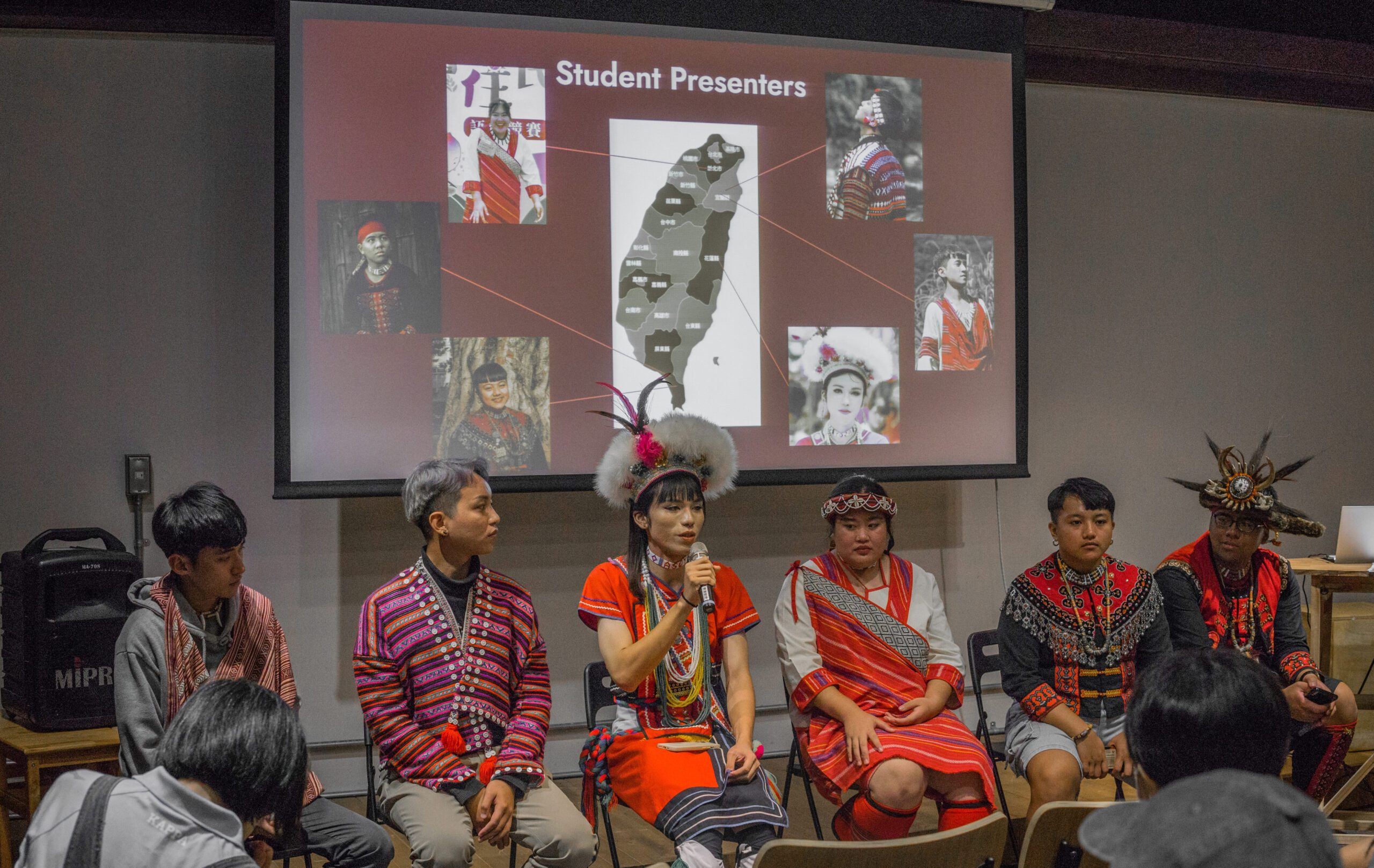
Over the past four years teaching in Atayal communities in Yilan County, I’ve witnessed both the systemic challenges and the profound resilience of indigenous youth. These experiences motivated me to take action—not just as an educator, but as a collaborator.
Stories of Indigenous Taiwan x Sinnoya Hope Farm Initiative
This project addresses youth out-migration and cultural loss in Taiwan’s indigenous communities. By creating regenerative, youth-led agricultural enterprises rooted in ancestral knowledge, the initiative revitalizes local economies and preserves endangered traditions, fostering sustainable, place-based leadership.
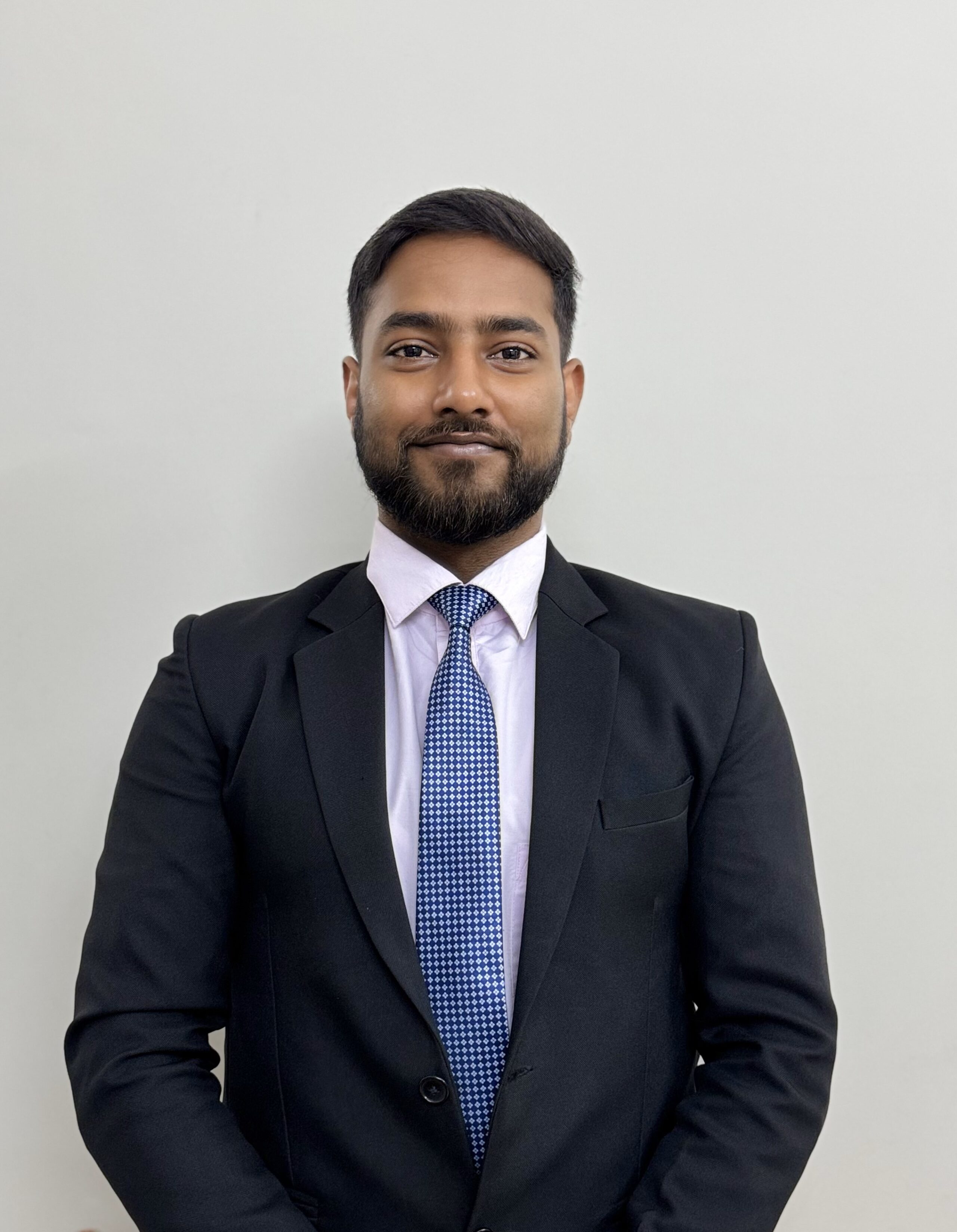
Roshan Kumar Panigrahi ALP ’23
India
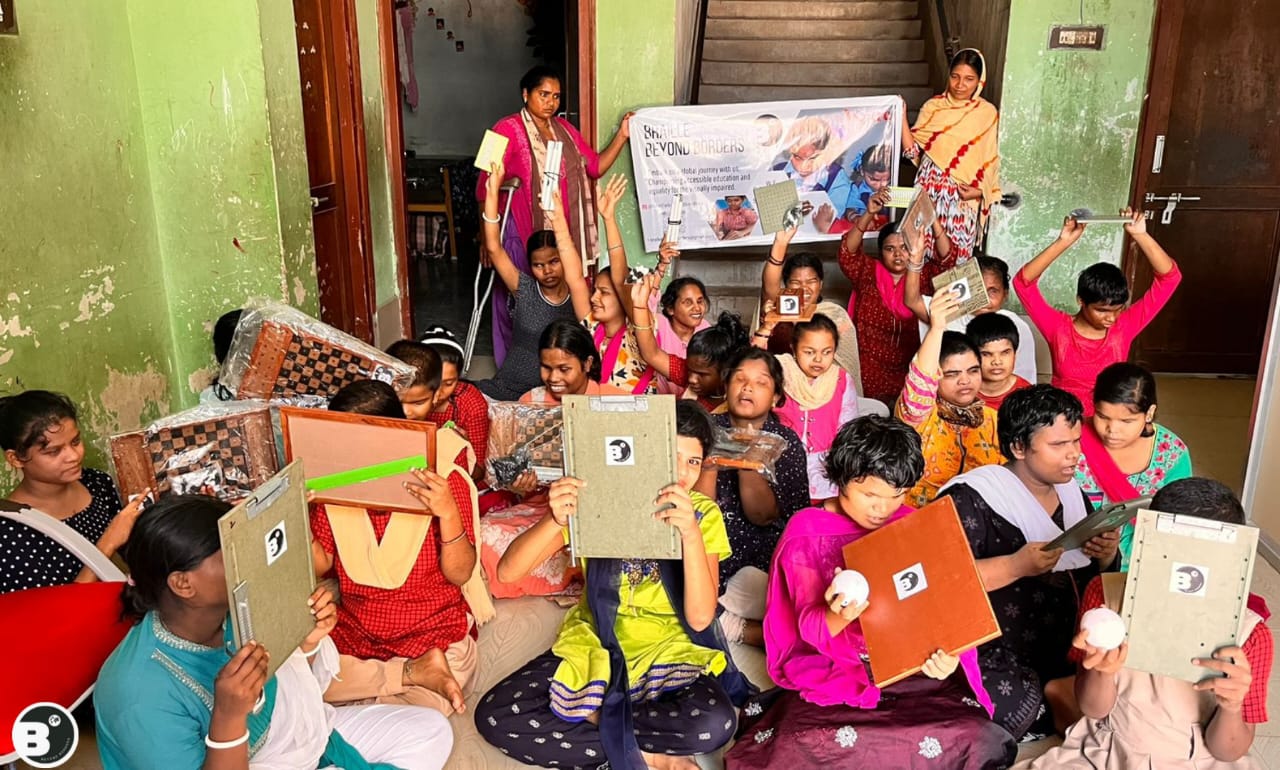
Growing up in a resource-constrained environment in Odisha, India and witnessing the struggles of visually impaired students in my community deeply moved me. I met a bright student who had dropped out due to a lack of Braille resources, that moment stayed with me. I realized that access, not ability, was the barrier, and I felt compelled to act.
Braille Beyond Borders
This project builds inclusive education systems for visually impaired students by developing accessible Braille materials and training educators. Through tactile learning tools and inclusive pedagogy, Braille Beyond Borders helps bridge the education gap for underserved learners with visual disabilities.
Latin America
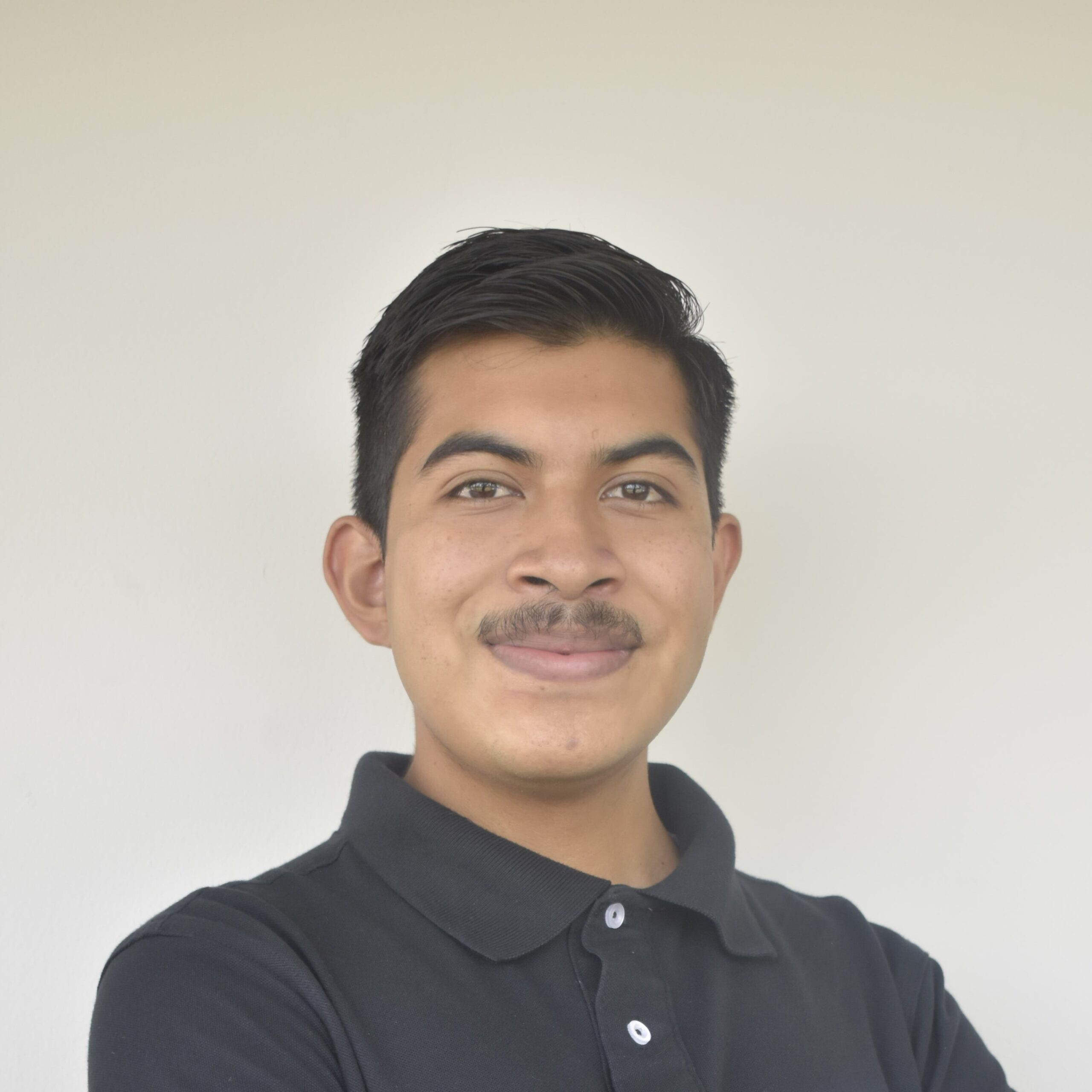
Angel Solis ALP ’24
Mexico
Winning the CAA award [is] a reminder that dreams rooted in identity and purpose truly matter — and they deserve to be heard. It gives us strength to keep creating, to keep remembering, and to keep imagining futures where tradition and innovation walk hand in hand.
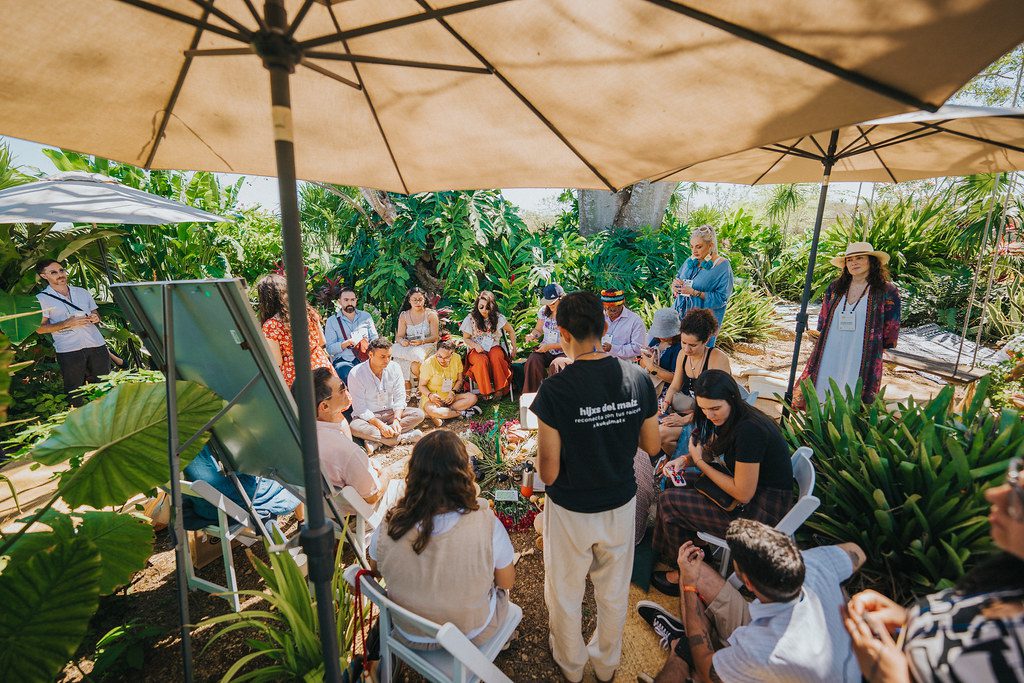
Kukulmat (Sparking Ancient Wisdom for Social Change)
Kukulmat empowers indigenous youth through storytelling, identity-based leadership, and culturally grounded tech training. The initiative trains Cultural Ambassadors to lead peer workshops and STEM Labs, sparking pride and innovation rooted in ancestral knowledge across Mexican indigenous communities.
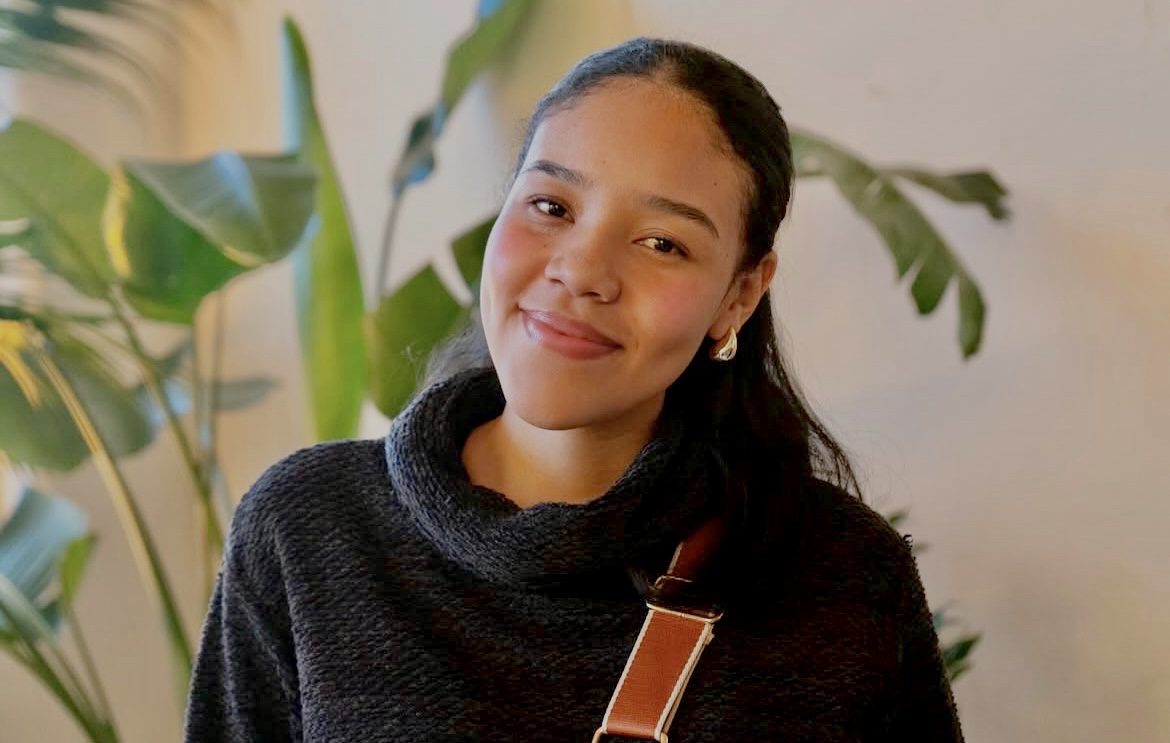
Melissa Adanna Okeke Franco ALP ’24
Ecuador
Being part of spaces like the Aspire Leaders Program and the Future Nobel Laureates Cohort has reminded me that change is possible — not just in theory, but in real and personal ways. Sometimes we don’t believe it until we see it with our own eyes. I’ve been fortunate to experience that hope in action.
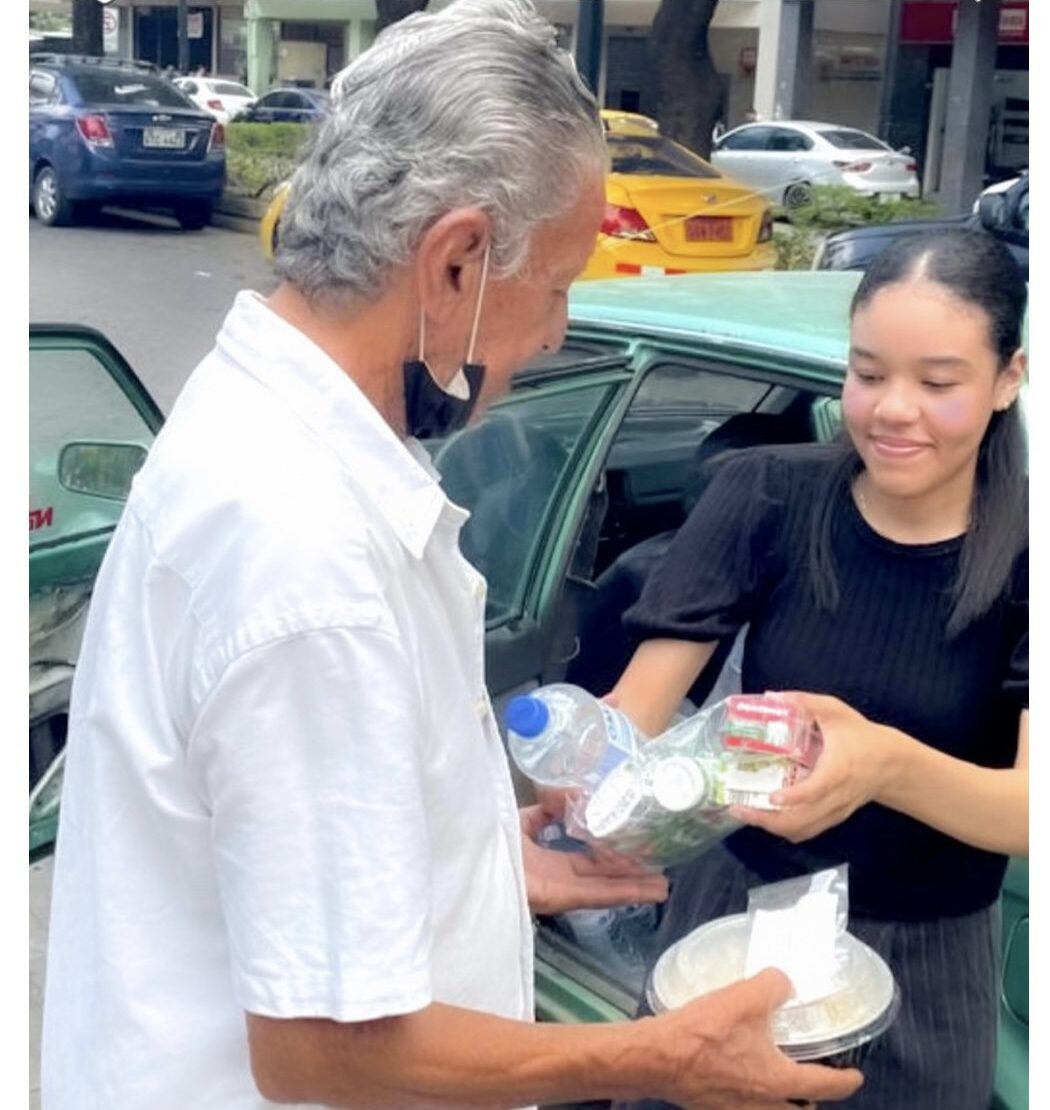
Todos a la Mesa
Todos a la Mesa supports individuals in turning informal work into sustainable entrepreneurship. Through mentorship, financial literacy, and leadership training, the project empowers participants, especially women, to improve their livelihoods and inspire ripple effects of economic and social empowerment in their communities.