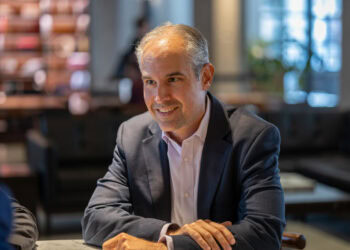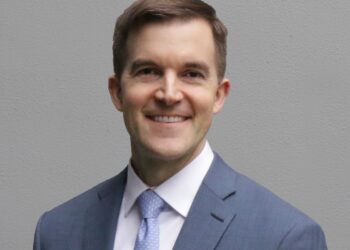




Takeo Tokunari’s mentorship sessions with Aspire Leaders Program alumni reflect wisdom gained from his own journey from rural Japan to his current consultant role. Tokunari knows that representation and encouragement can change someone’s sense of what’s possible because his own path required embracing uncertainty at crucial moments.
Now living in Tokyo with his wife and two children while working for a top-tier, global management consulting firm, he returns to Aspire to mentor young leaders worldwide, offering the guidance he wishes he had received as a young person navigating career paths with no roadmap from family or community.
Building Aspire’s Vision During a Pivotal Summer Post Harvard
Tokunari’s connection to Aspire Institute began during a transformative period for both the organization and his own career. After completing his Harvard University master’s degree in Design Engineering and before starting his consulting role in Tokyo, he joined the Aspire Institute team during a critical time in the organization’s growth.
Working alongside the Cambridge-based team, he helped envision ambitious growth goals, including reaching one million learners by 2027. Today, he continues to come back as a mentor, reflecting his deep commitment to the organization’s mission of empowering young leaders worldwide.
Growing Up in Rural Japan: Limited Guidance, Big Dreams
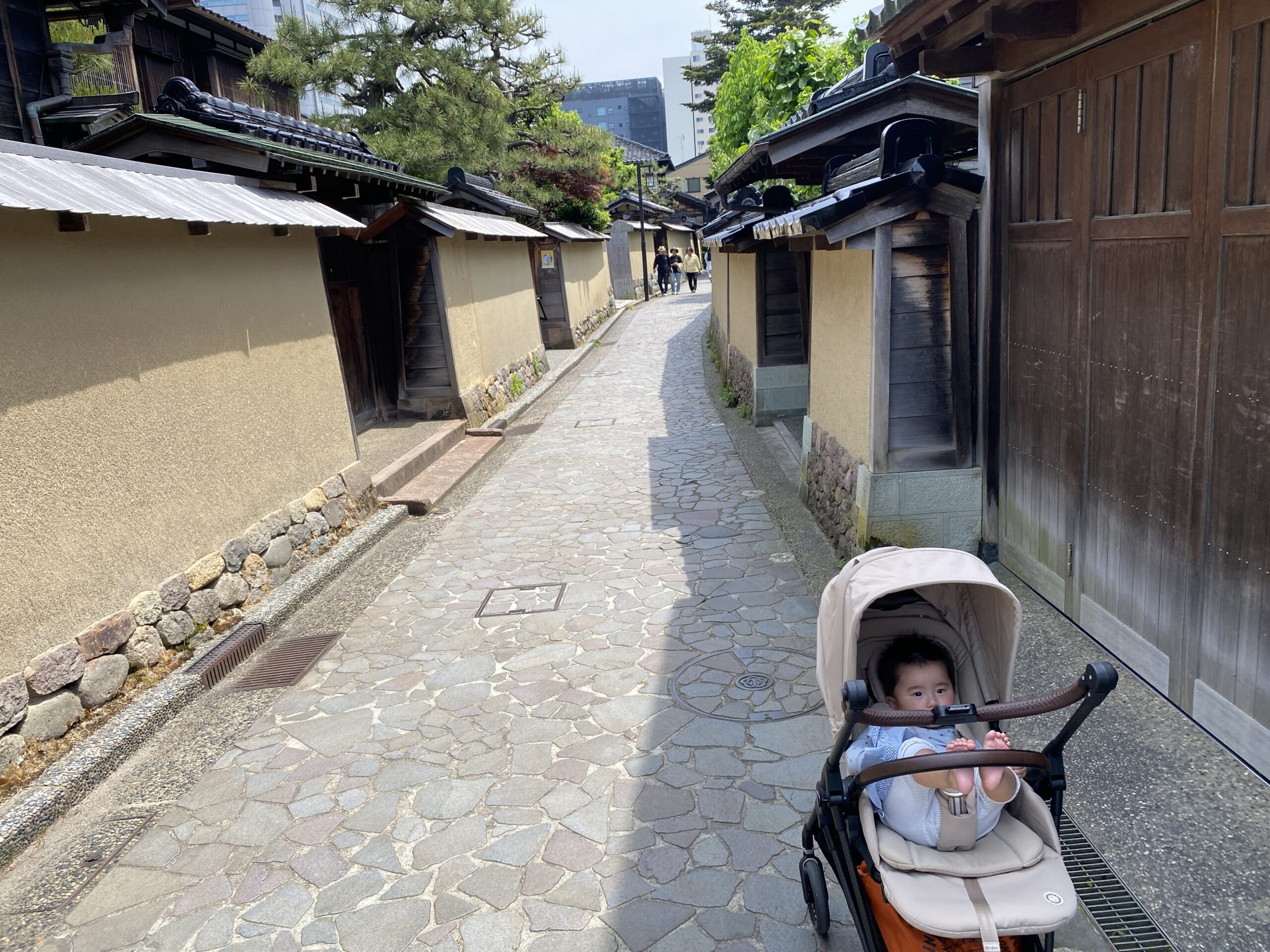
Tokunari grew up in Kanazawa, Japan, without exposure to diverse populations or the opportunity to truly learn and speak English. His parents were both elementary school teachers, he had zero friends outside his hometown, and did not get real exposure to speaking English.
“My parents can tell me about what it’s like to be a teacher or which school is better than the other,” he explained. “But, that’s all.”




Despite his parents having bachelor’s degrees, Tokunari had limited guidance and was first-generation to pursue his master’s. The Japanese job market added pressure, requiring students to choose their career path by their second year of undergraduate studies.
“I haven’t even tested myself in one direction, so I can’t decide,” he reflected.
This uncertainty led him to pursue a master’s in isotope geochemistry after his bachelor’s in chemistry, partially out of genuine interest in environmental sciences, but also to stay in the comfort zone of school.
Dreaming of a Job at the United Nations Environment Programme
During his graduate studies, he confirmed his interest in solving complex environmental challenges but realized that scientific research alone wouldn’t be sufficient.
“Research does help but will not solve the environmental problem on its own,” he discovered. “So, I started looking for jobs outside academia. I found some online that might be relevant, but felt most of them were only addressing the symptoms of the problem, not the root cause, which is more of the product of multi-faceted issues ranging from economic to social ones around the globe.”
This sparked his interest in working for the United Nations Environment Programme, where he could bring multiple stakeholders together. From Kanazawa, he researched online qualifications: three years of work experience, English language skills, preferably other languages, a relevant master’s degree, and experience in developing countries on international development projects.
“There were so many qualifications, but I didn’t have any,” he said. This led to the bold decision to work in Kenya, although terrifying and not seen favorably by those around him.
A Risky Decision to Build Skills for The Future
Tokunari took a big risk after completing his first master’s degree. He secured what was originally an unpaid opportunity as an environmental consultant in Kenya with no English knowledge.
“I had zero qualifications. I didn’t speak English,” he recalled. “Everyone else in my class got decent jobs in large-scale companies.”
But the Kenya experience exceeded expectations. Unable to afford much, he shared housing with seven people from six different countries – France, Italy, Canada, Serbia, Peru, and Mexico. The turnover of expatriates was high in Nairobi, and he eventually lived with people from Ethiopia, Gambia, United States, China, Spain, Australia, Denmark, and others.
“We would cook and eat dinner together every night,” he recalled. “All those conversations in English, with all different accents but with similar like-mindedness.”
After six months of proving himself, the organization began offering him a salary.
From Environmental Consulting to A Second Master’s
After three and a half years in Kenya followed by four and a half years working for a climate technology company in Japan, he wanted to gain skills to systematically scale his impact.
“At the climate technology company, I became the company’s first director in charge of overseas business and international development projects in Africa and Asia. I led the design and implementation of strategy to bring its technology to convert unutilized biomass into agricultural materials that make rainfed agriculture more climate-resilient and productive,” he said. “After a few years, our solution did save a handful of small-scale farmers from drought. I felt quite rewarded for that impact, but I didn’t know how to make it more economically sustainable and scalable.”
“I felt quite rewarded for that impact, but I didn’t know how to scale it or make it more economically sustainable,” he explained.
This led to pursuing a second master’s degree at top U.S. universities. Once again, he was blazing a trail.
“Nobody around me knew how to get to a master’s program outside of Japan, let along to a top global university” he said.
His Kenya experience had changed his mindset.
“Ever since I went to Kenya, I was already unique enough to realize I am the only one who should and who can navigate my own career,” he reflected. “If I want to do it, probably there’s some way to pursue it. There is nothing I lose even if I fail – indeed, there is always gain along the way either expected or unexpected.”
Harvard, Aspire, and Strategic Consulting
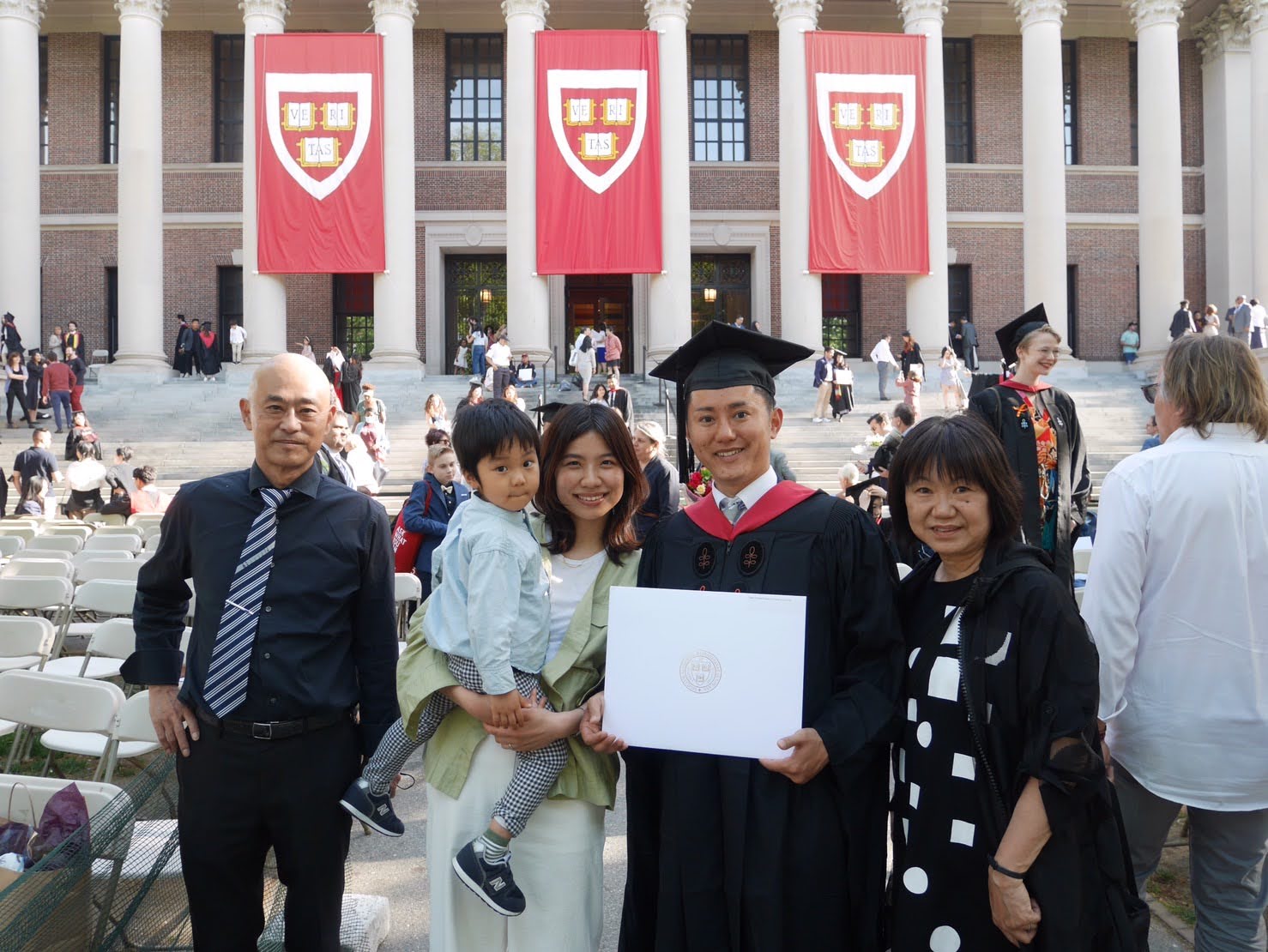
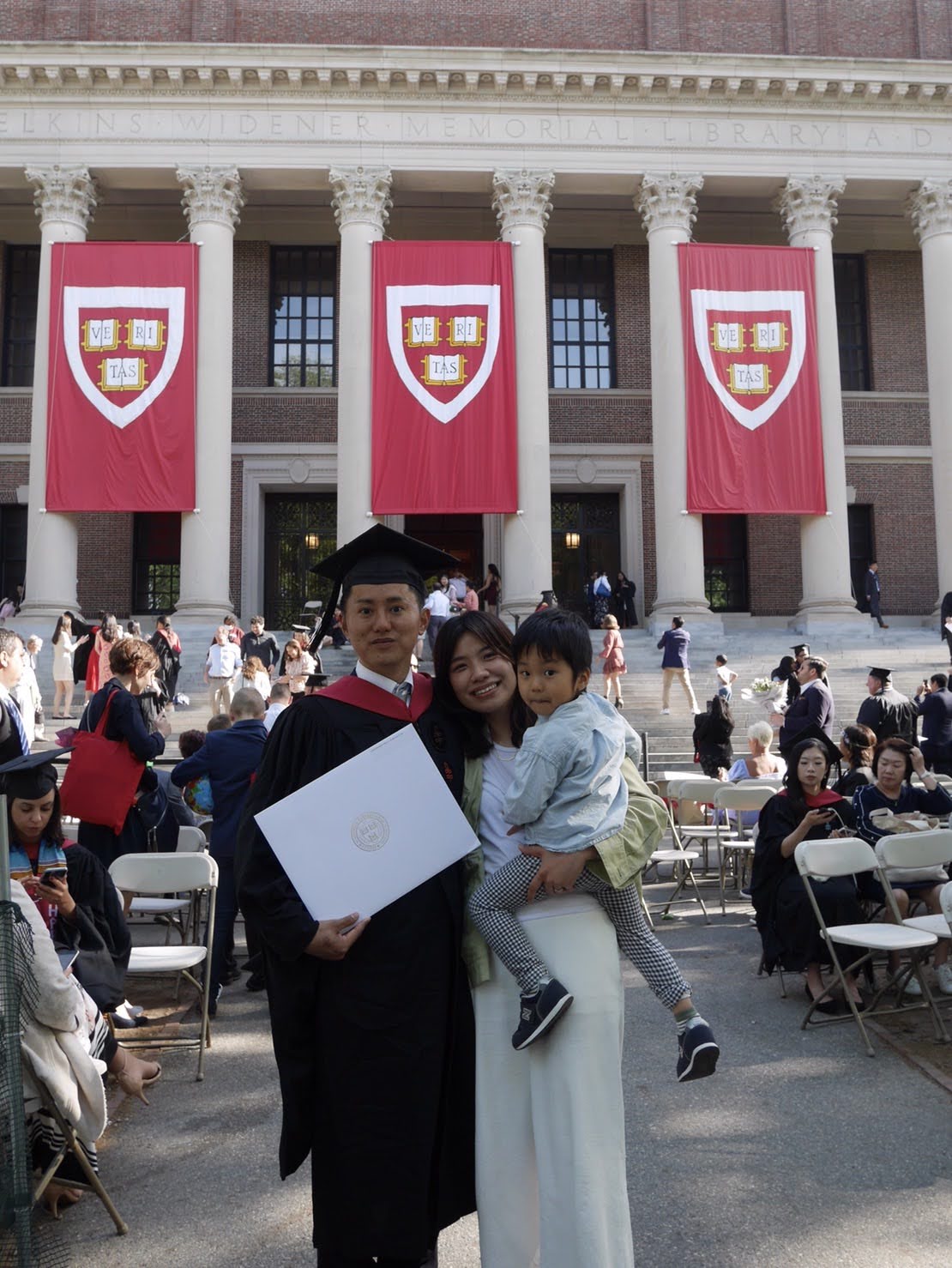
Tokunari’s degree in design thinking at Harvard University provided the interdisciplinary skills he had been seeking. During this time, he connected with Aspire Institute and spent a transformative summer working for the organization at a pivotal point, aligning with his mission-driven work and desire to implement strategies that work at scale.
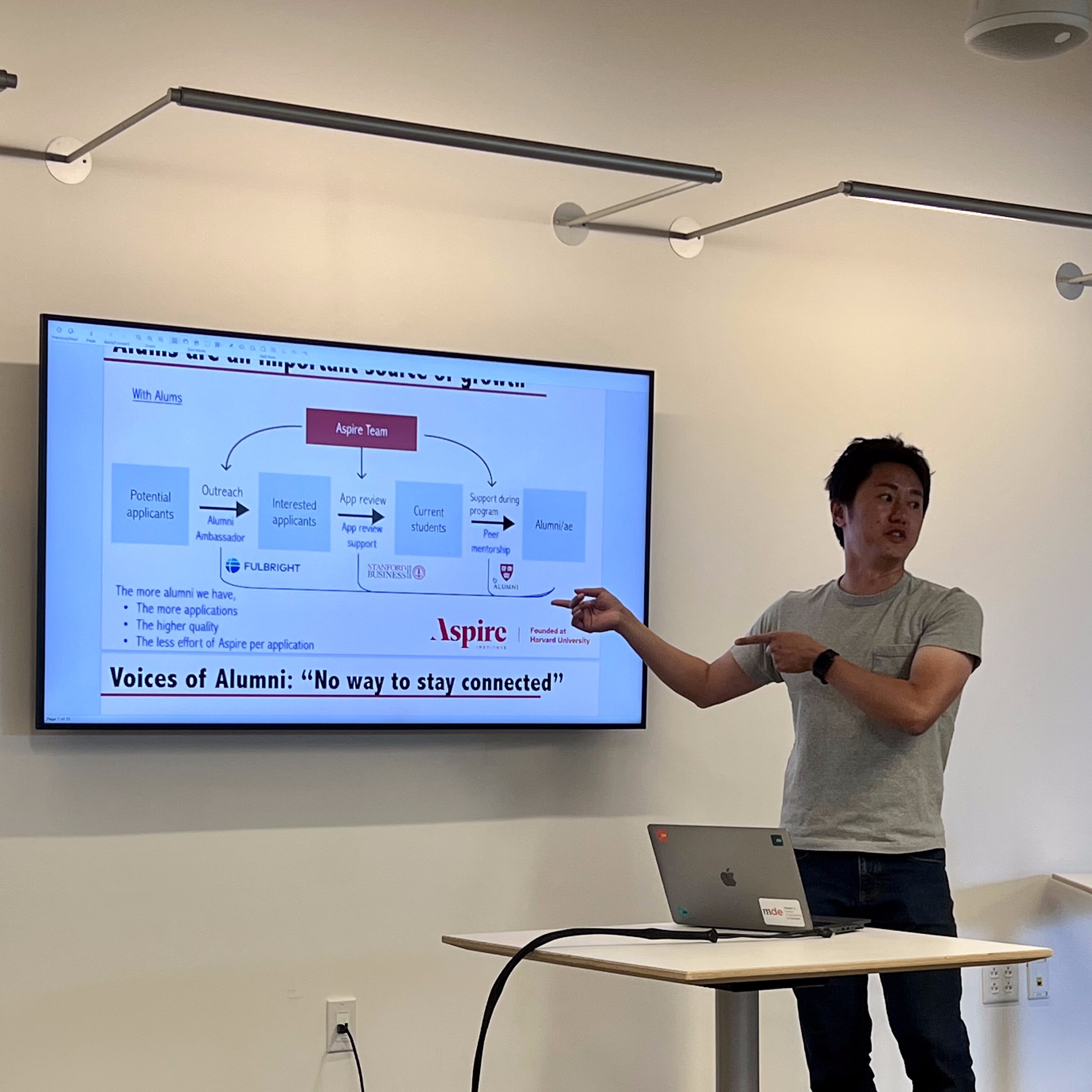
After this summer, he returned to Japan, this time to Tokyo, where he works for a global management consulting firm. His work includes strategy and new business development in both private and public sectors, often involving digital technologies such as Artificial Intelligence (AI) or environmental technologies.
The Power of Representation: Why He Returns as a Mentor
Tokunari returns as a mentor for Aspire Institute because he understands the transformative power of seeing others from similar backgrounds achieve more than you personally ever imagined.

“I am still quite an ordinary person and I think it is my important qualification,” he said. “I didn’t have any privileged network, but I was still able to come very far. That means many others like me can potentially pursue an impact-driven career as bold as or bolder than mine.”
His mentorship philosophy centers on the idea that one simple nudge can make all the difference.
“What if they had the right nudge when they were young?” he wonders.
Reflecting on the Fear And Courage Along the Way
During recent conversations about his journey, Tokunari realized that now that he has accomplished some career milestones, he shares stories without some of the emotional reality.
“These have been in the bottom of my memory, but now it’s more vivid,” he said.
He reflected on the fear and stress that came with these decisions.
“I didn’t know what to do and I had to take courage to go to Kenya without knowing if that was really worth my mid- to late-20s,” he explained. “Now I can tell without concern or hesitation because I did it. But the moment I was choosing, there was so much pressure.”
Looking Forward
As Tokunari plans to bring his family back to Kanazawa for a few years before their next adventure, he remains committed to making a social impact through his work and mentoring others.
For young professionals facing their own next steps, he offers encouragement rooted in his own experience.
“Never give up because of the gap you see before starting. Think about the hypotheses to get there and test the one that excited you the most, he said. “Then you will eventually be able to get there, or even better a place that you might never be able to imagine from where you are standing at the moment,” he said.
His journey from rural Japan to global consulting proves that the most important qualifications often come after you take the leap. Tokunari hopes to continue to impact communities worldwide and help young leaders change their sense of what’s possible, even if this is simply by sharing his own journey.