



What does it mean to be career-ready in a rapidly changing world?
Here’s a truth that might sting: your dream job probably doesn’t exist yet. And the skills you’re building today? Half of them might be obsolete in five years.
But here’s what’s liberating: the most successful people aren’t the ones who predicted the future perfectly; they’re the ones who learned to pivot.
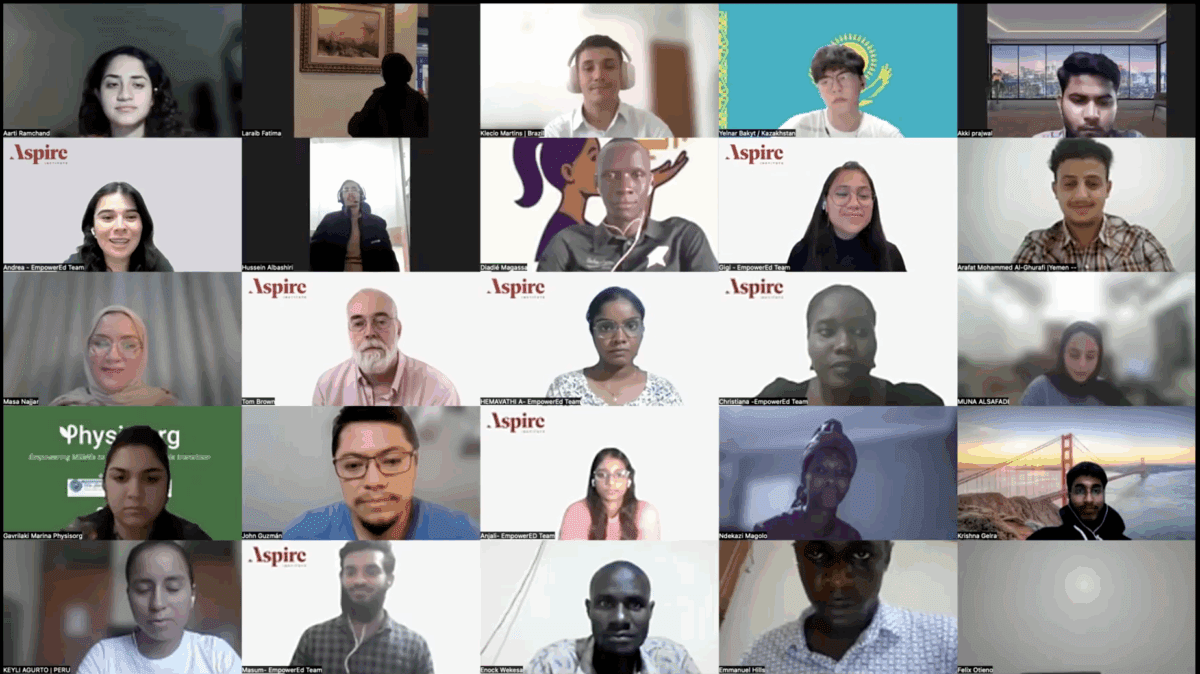
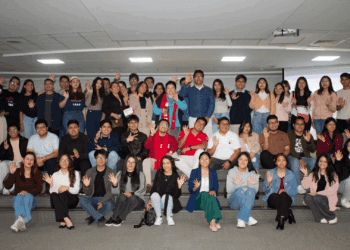
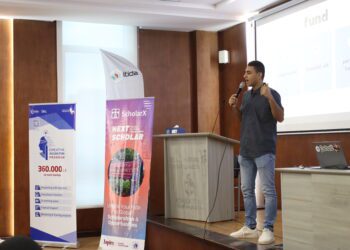
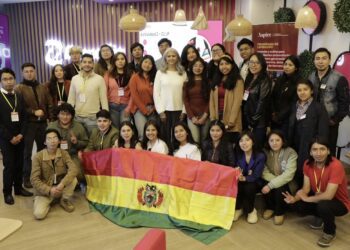
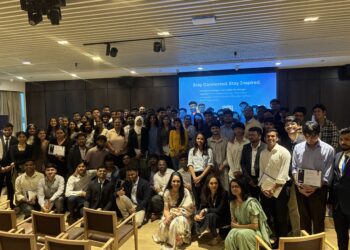
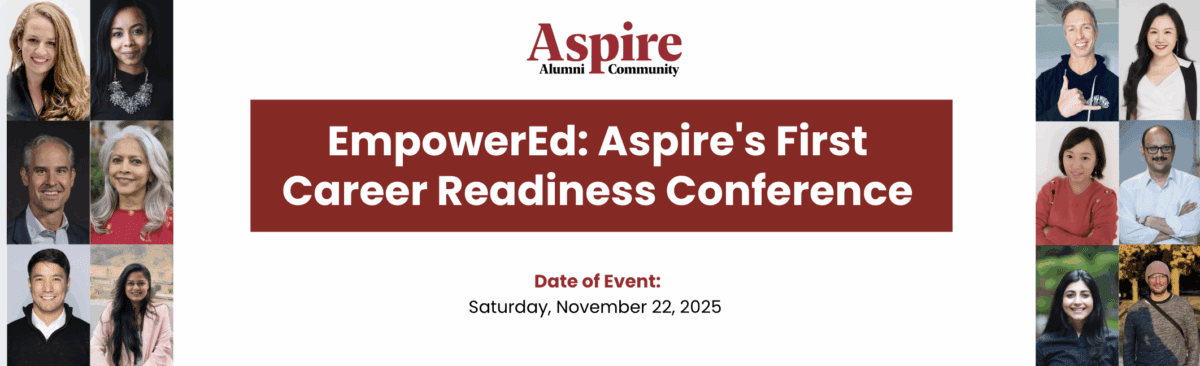
At a recent global conference convened by Aspire Institute on November 22nd, thought leaders and more than 2000 attendees gathered to answer a question that’s keeping students, professionals, and career counselors up at night: What does career readiness actually mean anymore?
Their answers might surprise you.
1. Forget the Five-Year Plan. Build a “Pivot Muscle” Instead
Kerry McKitrick, Co-Director of the Harvard Project on Workforce, didn’t mince words: “We don’t know what’s gonna happen. We do know it’s going to be changing. That’s the one thing we can say for sure.”
The implication is clear: stop obsessing over a rigid career trajectory. The professionals who will thrive aren’t those with the most detailed roadmaps, they’re the ones who’ve mastered the art of adaptation.
Key takeaway: Instead of asking “What do I want to be?” ask “What am I capable of becoming?”
2. The 50% Rule: Why Your “Perfect Job” Is a Myth
Michael Horn, faculty at Harvard Graduate School of Education and co-founder of the Clayton Christensen Institute, offered perhaps the most liberating insight of the day: “There’s no perfect job. If you get a job where fifty percent of the time you’re feeling really excited about it, you’ve done amazing.”
Read that again. Fifty percent.
This isn’t pessimism, it’s permission. Permission to stop chasing an impossible ideal and start making strategic trade-offs. The art of career development, Horn argues, isn’t finding perfection, it’s “embracing trade-offs and saying, what are the things that I’m going to choose are going to be suboptimal so that I get the things that I’m really excited about.”
3. Career Readiness Is Not Individual, It’s Systemic
Duaa Mohamed, Head of Strategic Partnerships at Mastercard Foundation, reframed the entire conversation: “When we think about career readiness, we look at it as… It’s not just about an individual skill. It’s being supported by networks, mentors, and systems that create opportunities for young people.”
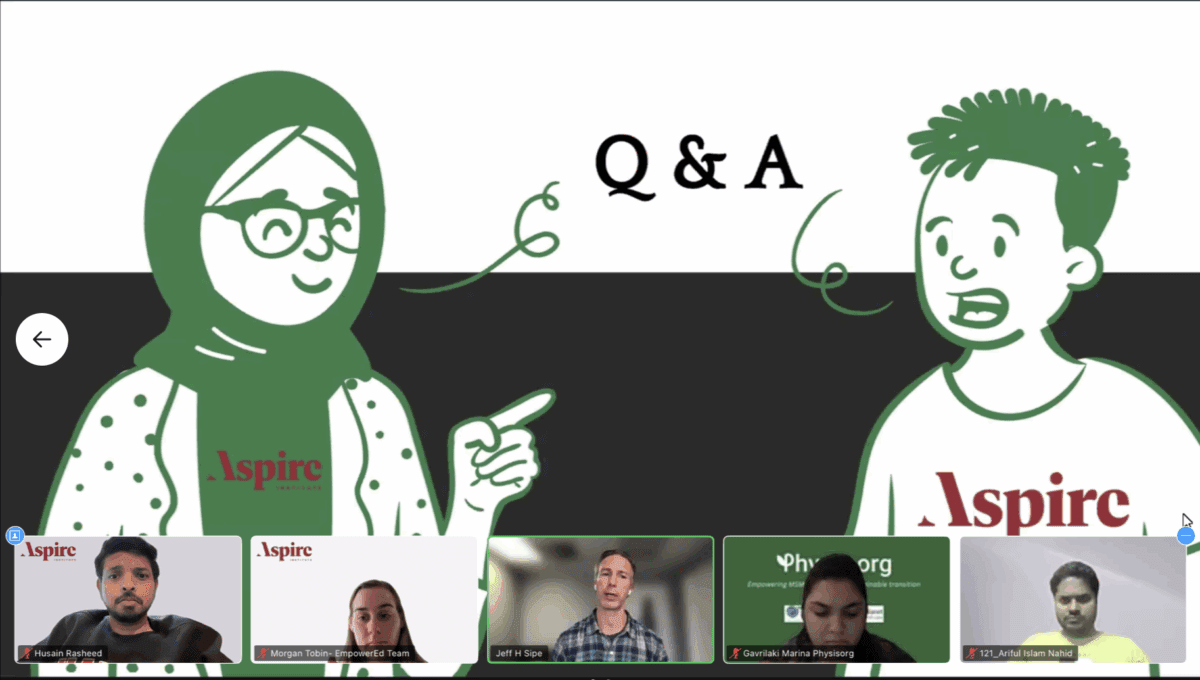
This is a crucial shift. We’ve been sold the narrative that career success is purely meritocratic: work hard, skill up, succeed. But the reality is more nuanced. The research is detailed: people find opportunities through other people. And here’s the uncomfortable truth McKitrick pointed out: “People tend to network within their own income brackets… this makes it difficult for folks from low-income backgrounds to access higher-paying jobs.”
So what’s the solution? McKitrick offered a practical framework: focus on “the external”—intentionally getting “exposure and experience within the labor market in as many fields as possible.” In other words, actively seek connections outside your current network and income bracket. Meanwhile, Mohamed’s team at Mastercard Foundation is tackling the systemic side by “co-designing, co-creating with young people”—building demand-driven pathways that meet students where they are.
4. The Energy Audit: A Better Framework Than “Follow Your Passion.”
“Follow your passion” has become such a cliché that it’s almost meaningless. Horn offered a more practical alternative: track your energy.
“What actually gives me energy? What’s draining it now? And that can change over time,” he explained. “That builds a metacognitive muscle, or an adaptability… I’m not one thing, it’s not a fixed mindset around what I do and who I am.”
This approach was validated in the conference’s breakout sessions. Workshop leader Sienna Xu’s “Design Your Life” session, which introduced participants to the Japanese concept of ikigai, was described by one attendee as “life-changing” and by another as “making me think and reflect on my career” in ways they hadn’t before.
5. Your Job Doesn’t Define You (Yes, Really)
Of all the workshop feedback, one quote stood out: “What Sienna told us, that your job doesn’t define who you are, you’re so much more than that.”
In a world where “What do you do?” is the default conversation starter, this feels almost radical. But it’s also deeply practical. When your identity isn’t welded to your job title, you’re more resilient during transitions, more open to unexpected opportunities, and frankly, a more interesting person.
6. AI Won’t Replace You, But It Might Make You Lazy (If You Let It)
The conference featured Zamir Akimbekov’s “Vibe Code Your Future” workshop (Founder and CEO of Cayu Technologies) on AI tools, one of the most-mentioned sessions in participant feedback. But McKitrick shared an important warning about AI that most people overlook: it can be overly flattering.
“One challenge,” she said, “is that AI often makes you feel like your ideas are the best. Even when you ask it to be critical, it’s really hard to get honest feedback. And I know I definitely do not always have the best answer.”
Her warning: “AI is designed for engagement. It wants to keep you engaged… by telling you you’re brilliant.”
The takeaway isn’t to avoid AI, it’s to use it critically. The most career-ready professionals will be those who can leverage AI tools while maintaining their capacity for genuine self-assessment and growth.
7. “Shoot Your Shot”, Mentorship Isn’t Given, It’s Sought
One of the most actionable advice came from Mohamed, speaking from personal experience: “I would look at roles… that I would be interested in, and then reach out and ask this individual to mentor me. The worst that you can get is a no or no answer, but honestly, always… shoot your shot. And you will get an answer.”
Conference participant feedback reinforced this. Sessions on networking and mentorship consistently emerged as highlights, with attendees valuing “connecting with personal stories from the panelists and speakers” and the “authenticity” of leaders who “were not holding back anything.”
The Bottom Line: Career Readiness Is a Mindset, Not a Checklist
The conference’s most powerful message wasn’t about any particular skill or strategy. It was this, from Duaa Mohamed: “Career readiness and really changing a mindset… it’s the mindset shift… allowing [young people] to constantly think about navigating constant change… the ability to learn and unlearn and relearn.”
Or as Meena Sonea, Aspire Institute’s CEO and moderator for the plenary session, put it from her own 30+ years of experience: “Careers are never a straight line… I was 40 years old, I had no embarrassment to go back to school with other 25-year-olds, and did another master’s.”
For first-generation students, and frankly, for anyone navigating today’s uncertain landscape, that’s the real career readiness: not having all the answers, but being willing to keep asking better questions.
What’s Your Next Step?
Here’s a challenge inspired by the conference: This week, do an “energy audit.” For three days, note which tasks give you energy and which drain you. You might be surprised by what you discover, and it may change your career trajectory.
If you missed the event, watch the recordings here.