



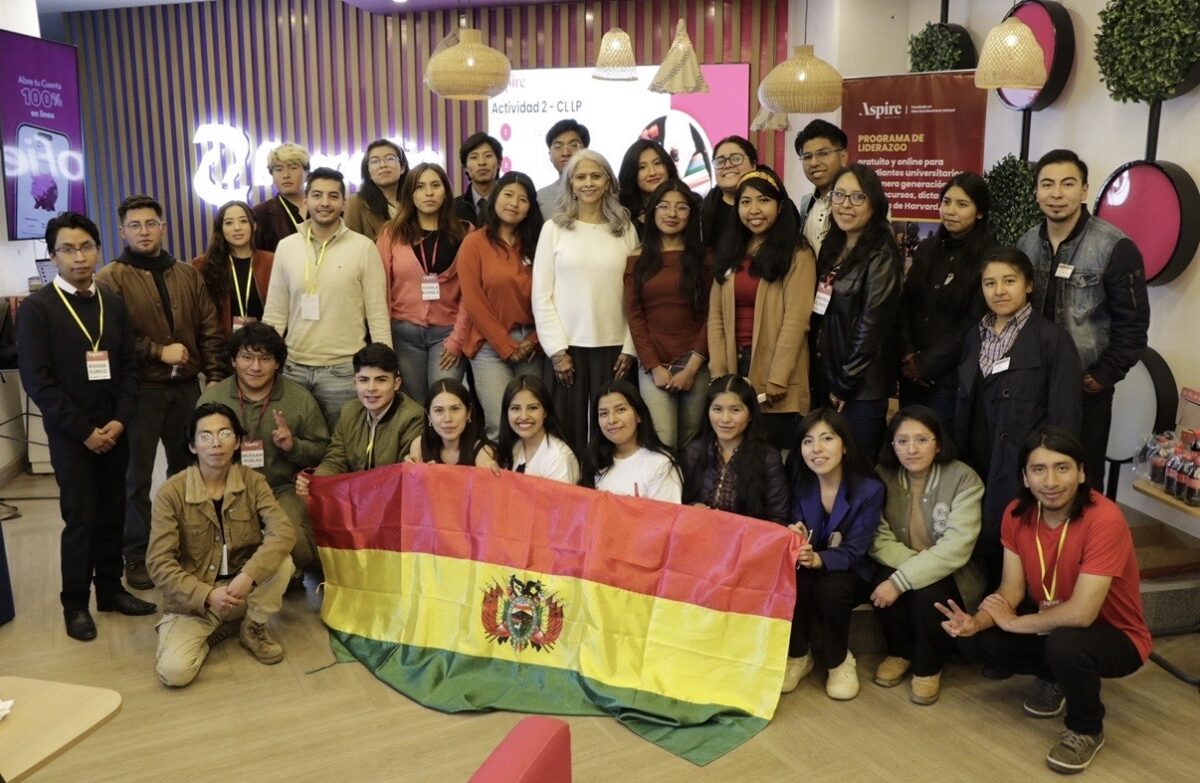
When Meena Sonea, CEO of Aspire Institute, recently visited Bolivia, the strength of the alumni network made the deepest impression. She witnessed young leaders actively transforming the principles of the Aspire Leaders Program (ALP) into tangible community impact.
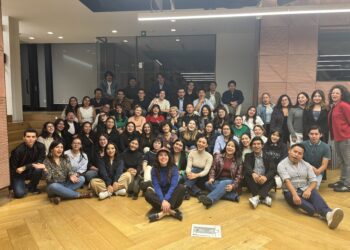
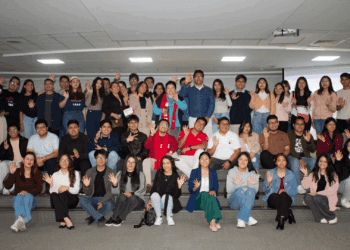
This year, we excitedly launched our Bolivia Foundry through Bolivia 360. During her first visit, Sonea engaged with more than 80 Aspire alumni across La Paz and Santa Cruz. She observed firsthand how the program’s emphasis on confidence-building, communication skills, and community development ripples through Bolivia’s leadership landscape.
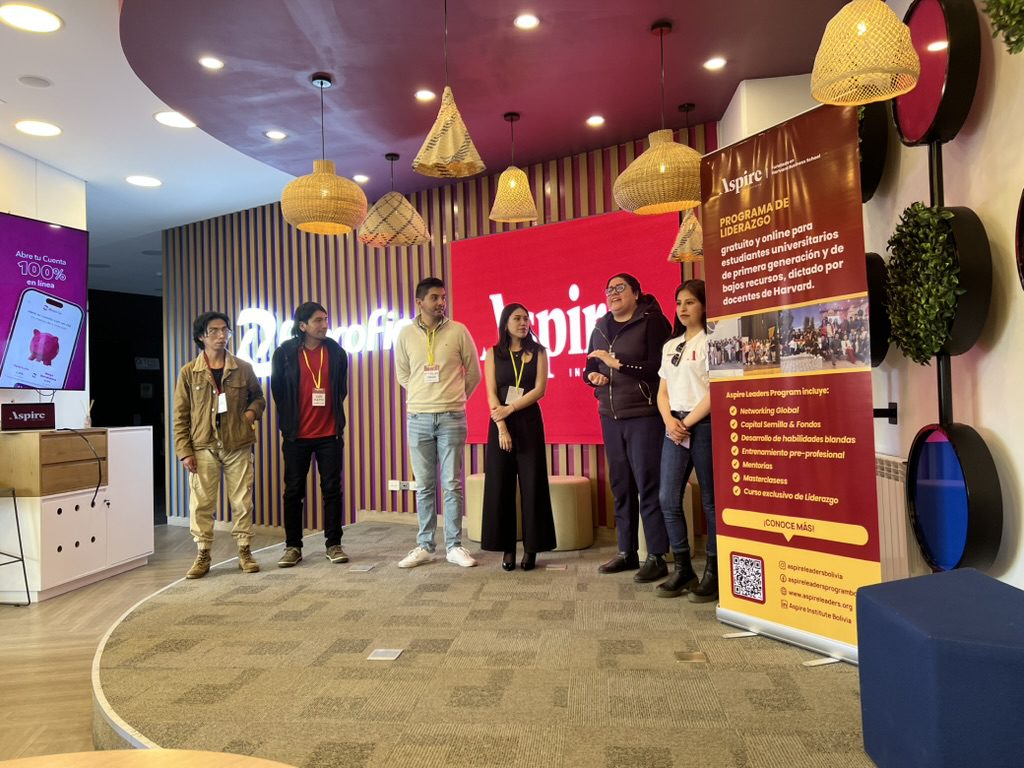
Working alongside Bolivia Foundry Director, Bruna Romero, they forged new partnerships with public and private institutions to expand Aspire’s reach.
“My visit to Santa Cruz and La Paz reinforced how powerful the Aspire Bolivia Foundry can be in transforming global access into local opportunity,” Sonea reflected. “Bruna has shown remarkable commitment, building strong connections in a short time.”
What impressed Sonea most was the engagement from alumni volunteers – Community Leaders and Domain Leaders. They continue to organize culturally relevant events that strengthen community bonds.
Santa Cruz: Culture and Connection
The September 5th gathering, organized by Reynero Torrico ALP ‘25, at the Altillo Beni Museum in Santa Cruz brought together alumni and prospective learners. The event opened with “Niña Camba,” an iconic local song that established the cultural foundation of the evening.
Over traditional Santa Cruz cuisine, the community engaged in meaningful conversations about leadership and impact, demonstrating that effective leadership extends beyond individual achievement to encompass authentic connection and shared values.
La Paz: Collaborative Leadership in Action
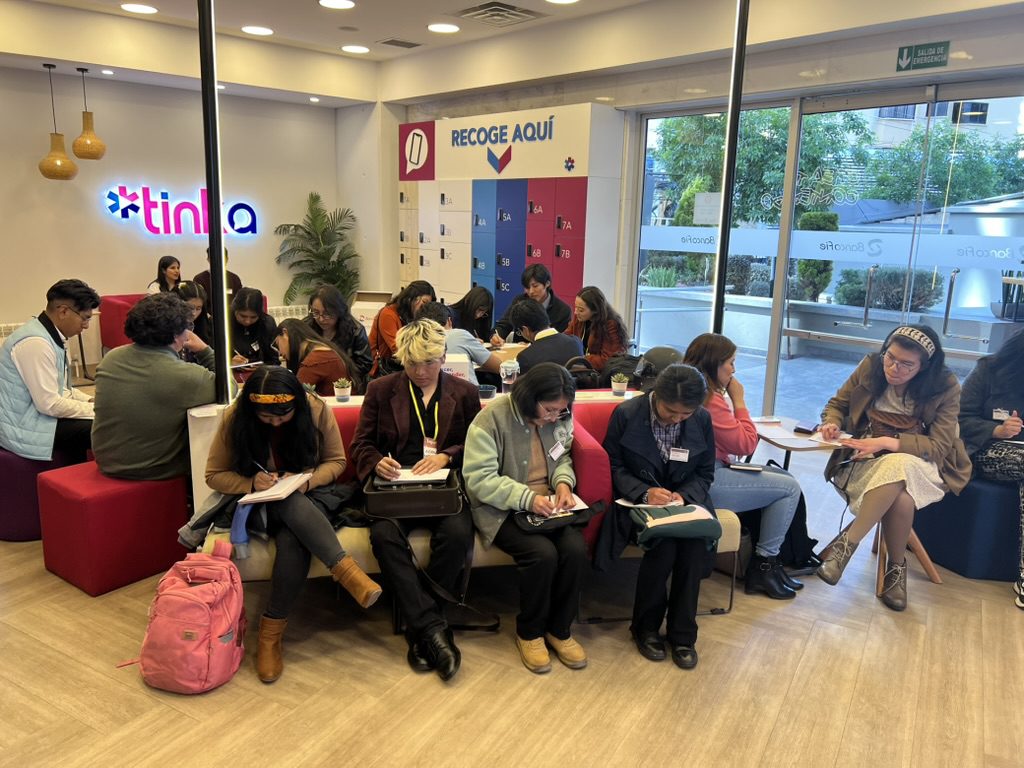
On September 8th, another group of Aspire alumni gathered at Tinka in La Paz. Jointly organized by Community Leaders from La Paz and El Alto, this gathering showcased the cross-city cooperation emerging from the creation of the Bolivia Foundry.
“Aspire doesn’t just teach you how to lead, it reminds you that leadership begins with everyday impact,” reflected one participant, capturing the essence of the two-hour program.
The format balanced structure with organic interaction. After remarks from Sonea, local Community Leaders framed networking sessions allowing alumni to share their leadership journeys and current projects.
Our alumni witnessed the power of this connectivity.
“Seeing alumni from different cities come together today reminds me that we are not alone,” an alumnus from El Alto expressed. This sentiment captures one of Aspire’s most significant outcomes —creating support networks that transcend geographic boundaries.
Deepening Cultural Understanding
The Bolivia visit included a guided tour of the National Museum of Art. Alumni from La Paz and Santa Cruz explored the Bicentenario de Bolivia art exhibition together. This wasn’t simply a cultural outing, it was a deliberate exploration of national identity and heritage.
By engaging with Bolivia’s artistic and historical narrative, alumni deepened their understanding of the cultural context. This cultural grounding proves essential for leading lasting change that builds upon existing community strengths.
A Network That Grows Itself
The most striking aspect of the Bolivia visit was observing ALP alumni become architects of their own continued development. The La Paz-El Alto collaboration, cross-cohort mentorship in Santa Cruz, and integrated cultural programming emerged from alumni initiative, not institutional directive.
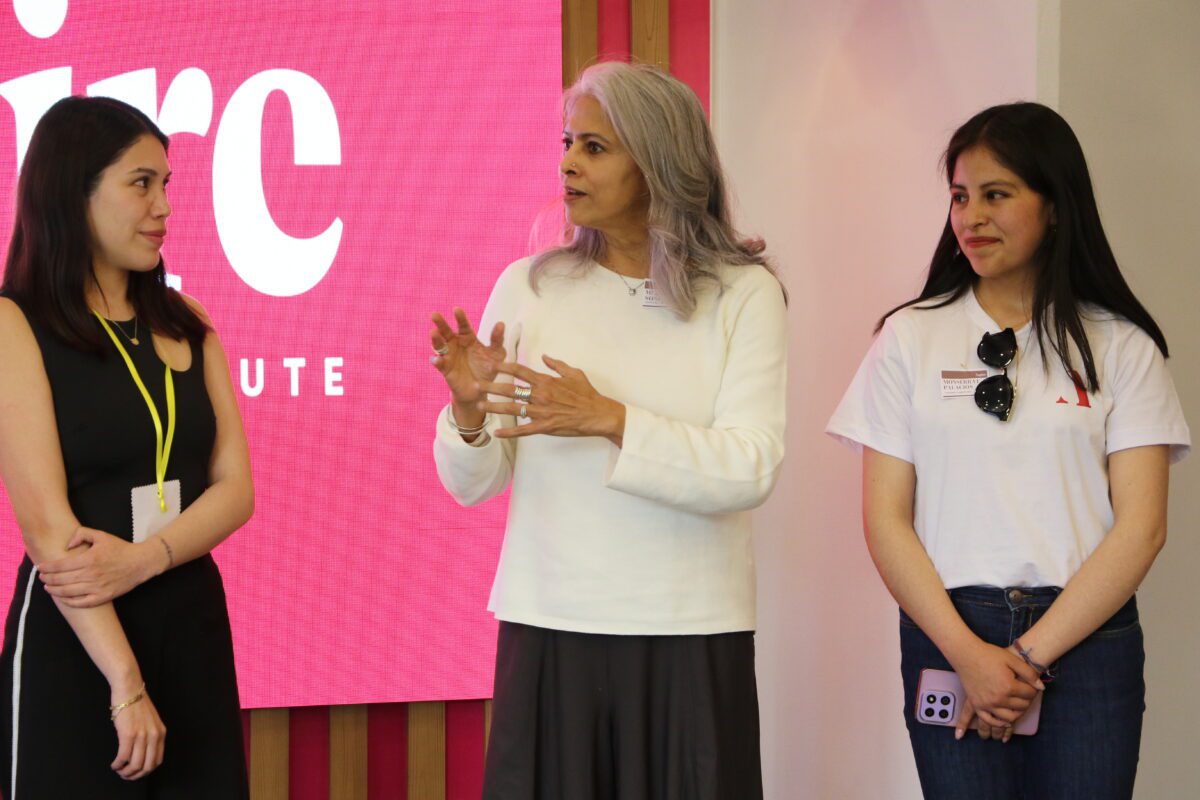
“Being part of Aspire Bolivia means belonging to a community that inspires, motivates, and opens new paths, so that young Bolivians can create positive impact and greater opportunities,” Marcela Feliza Jorges Vilte ALP ‘25 reflected.
This organic growth reflects a fundamental aspect of the Aspire approach. We are not creating dependent relationships, but empowering individuals to become leaders in their own contexts.
As the Aspire network expands across Latin America and beyond, the Bolivia experience offers a compelling template for how alumni communities can become engines of their own continued impact, transforming individual growth into collective advancement.