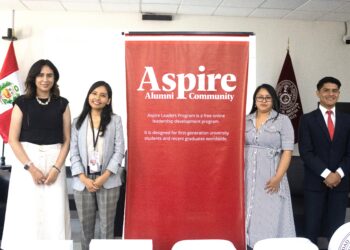
The Community Action Award (CAA) is one of Aspire Institute’s most prestigious grants offered in the Extended Leadership Program. It empowers and supports Aspire Leaders Program graduates who have developed a community-based initiative and are seeking to scale their impact with funding from Aspire.
In September of 2026, our organization awarded thirteen alumni up to $2,500 USD each to support their remarkable projects over the following year. Learn more about their initiatives below:
India
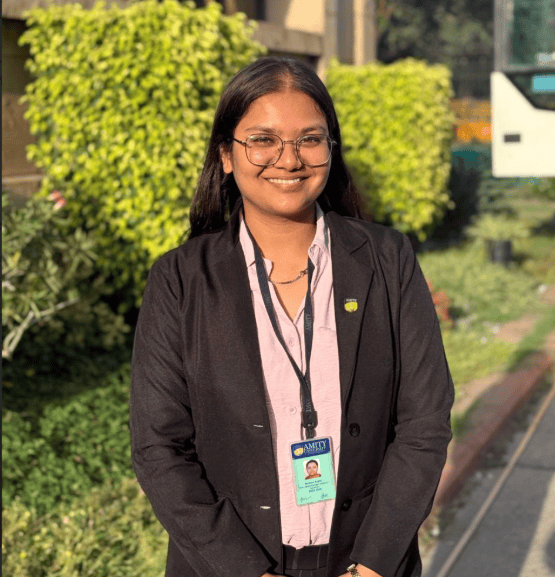
Muskan Gupta (ALP ‘26)
When I came to Delhi from my hometown for education, I experienced firsthand how poor air quality can affect health. I realized that many people coming from outside face similar challenges, but unlike me, low-income communities often cannot afford expensive solutions like air purifiers.
AQI-SOL
AQI-SOL is a solar-powered air quality monitoring and filtration system designed for low-income communities in Delhi NCR. Born out of firsthand experience with the health impacts of poor air quality, the project was developed with guidance from a mentor which offers a low-cost, sustainable, and user-friendly alternative to expensive air purifiers, bringing cleaner air within reach for those who need it most.
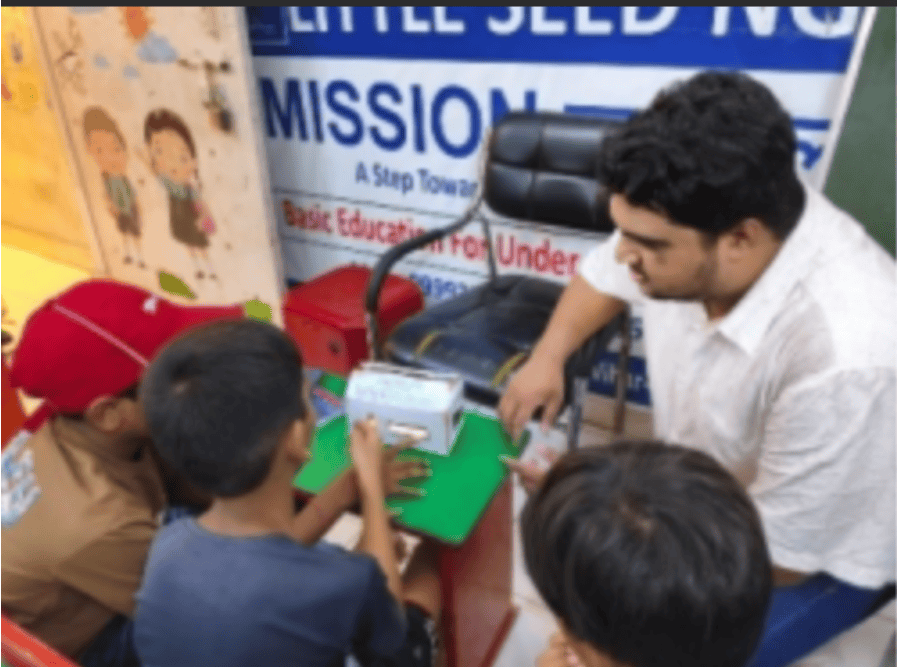

Prashant Bawskar (ALP ‘26)
In rural Maharashtra, India, I witnessed agricultural women laborers enduring silent, severe indignities during menstruation — working long hours in the fields without privacy, relying on unhygienic cloths, and lacking access to scientific menstrual health education. That personal loss became my turning point.
Period-Friendly Society
Period-Friendly Society is a grassroots movement dismantling the stigma around menstruation in rural and tribal Maharashtra, where unsafe practices have led to chronic infections and preventable health crises. By creating safe, community-led spaces for open conversation and scientific education, the initiative empowers women and adolescent girls to reclaim their health and dignity, with plans to scale the model across more villages.
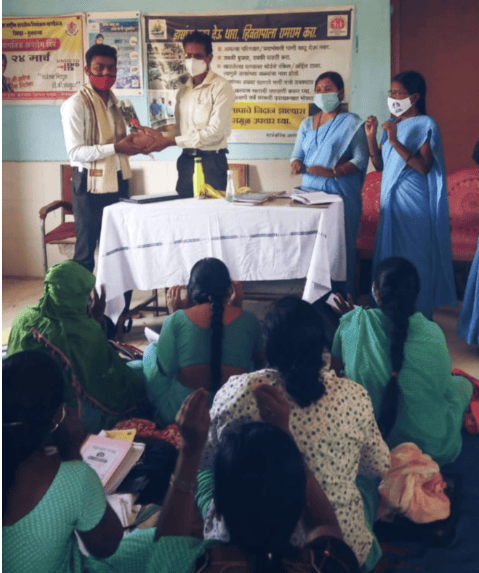
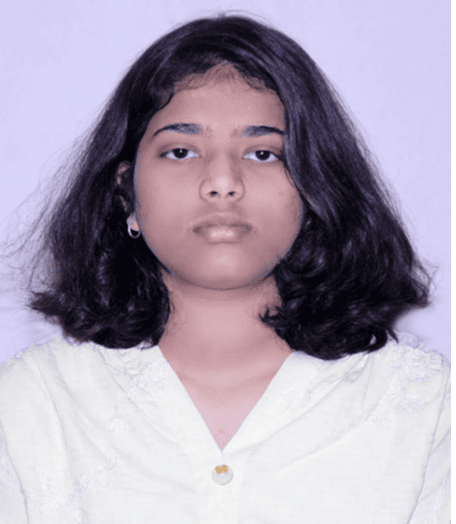
Varshini Gopi (ALP ‘25)
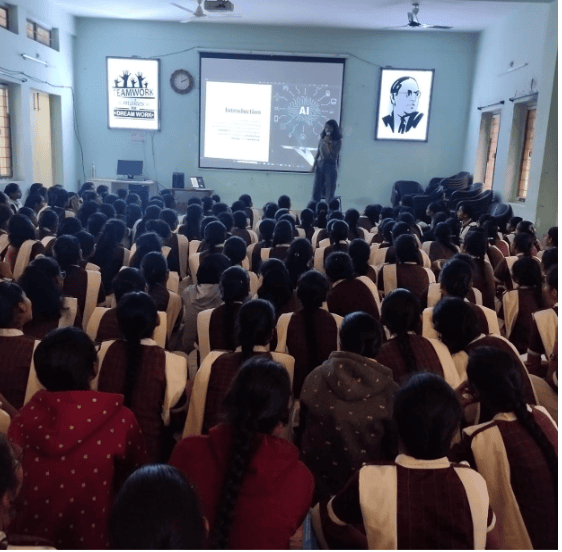
I started SciVerse because I wanted students, especially those in underserved schools, to experience STEM as something they can explore, build, and enjoy, not just something they learn from textbooks. I saw how limited access to hands-on learning, mentorship, and exposure to emerging fields like AI could affect students’ views of their own potential. SciVerse was created to help bridge that gap and show students that STEM opportunities are within their reach.
SciVerse
SciVerse is a near-peer mentored STEM and AI program bringing hands-on learning and mentorship to girls in Hyderabad’s underserved government schools. By pairing students with relatable mentors and real exposure to emerging fields, the initiative helps close the access gap and builds students’ confidence to see themselves as future problem-solvers, growing what began as a small pilot into a sustained community initiative.
Rajdeep Dwivedi (ALP ‘26)
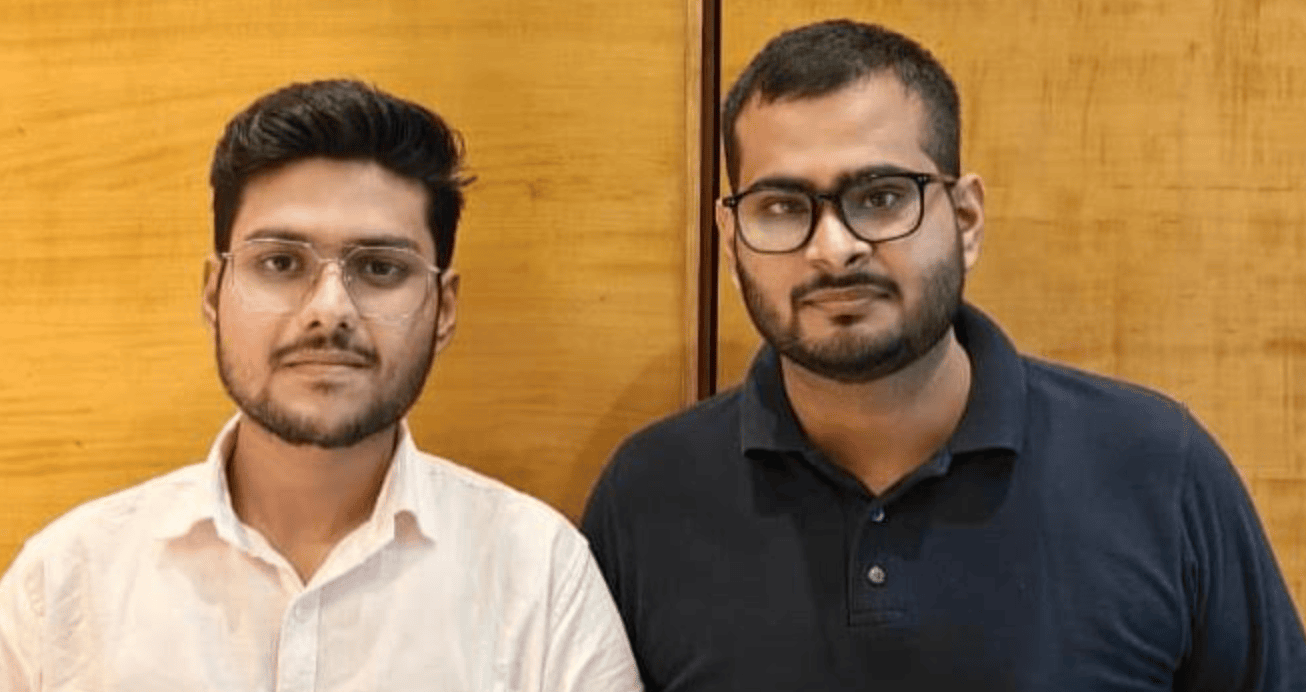
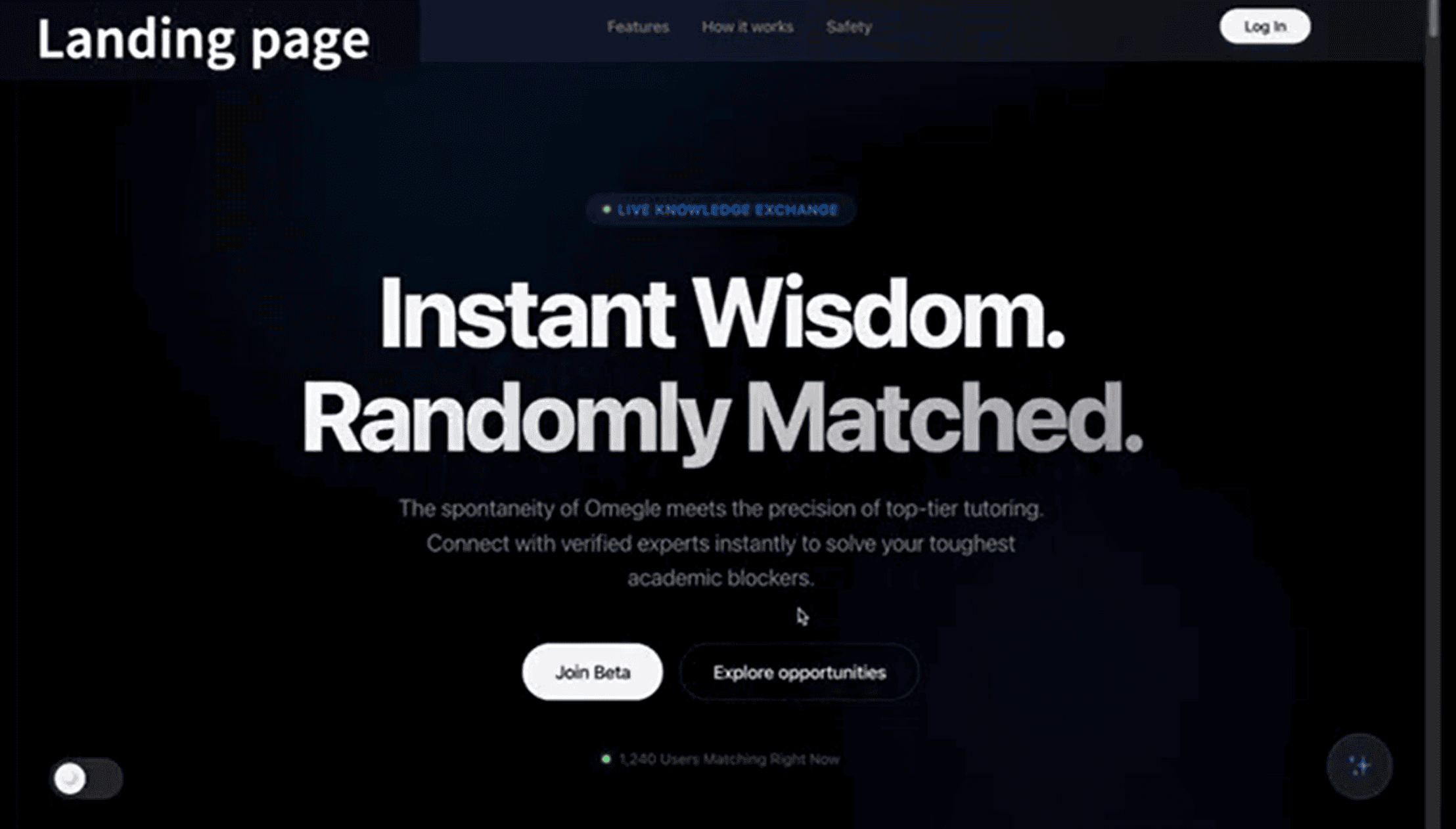
I started Ambrace after seeing students struggle with unresolved doubts [who depended] on costly tuition after school. We combine AI-powered personalized learning with human guidance to make education more accessible. Winning the CAA award validates our mission and will help us reach more students with meaningful academic support.
Ambrace
Ambrace is an AI and human hybrid after-school platform designed to replace costly private tuition for CBSE Class 9–10 students in India. By pairing personalized AI-driven learning with human guidance, the platform makes quality academic support more accessible, helping students resolve doubts and build confidence without the financial burden of traditional tutoring.
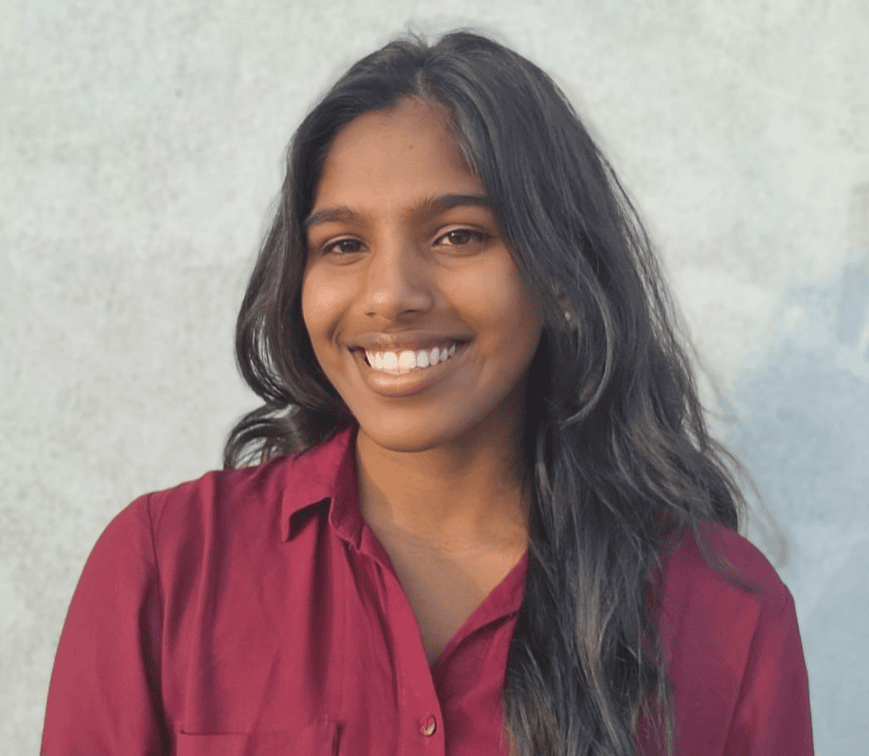
Anjali Muniraj (ALP ‘25)
I started Dhara because sustainability often feels forced—like something you have to overhaul your whole life for, or fit into an already overwhelming schedule. Most people I knew genuinely cared about the environment but felt paralyzed because they didn’t know how to act on that without it feeling like a burden. I wanted to flip that: to show that sustainable habits can start small, at home, in your own comfort zone, without pressure or guilt. Winning the CAA award means a lot to me, it’s a sign that young people are being given the chance to work on something this important.
Dhara
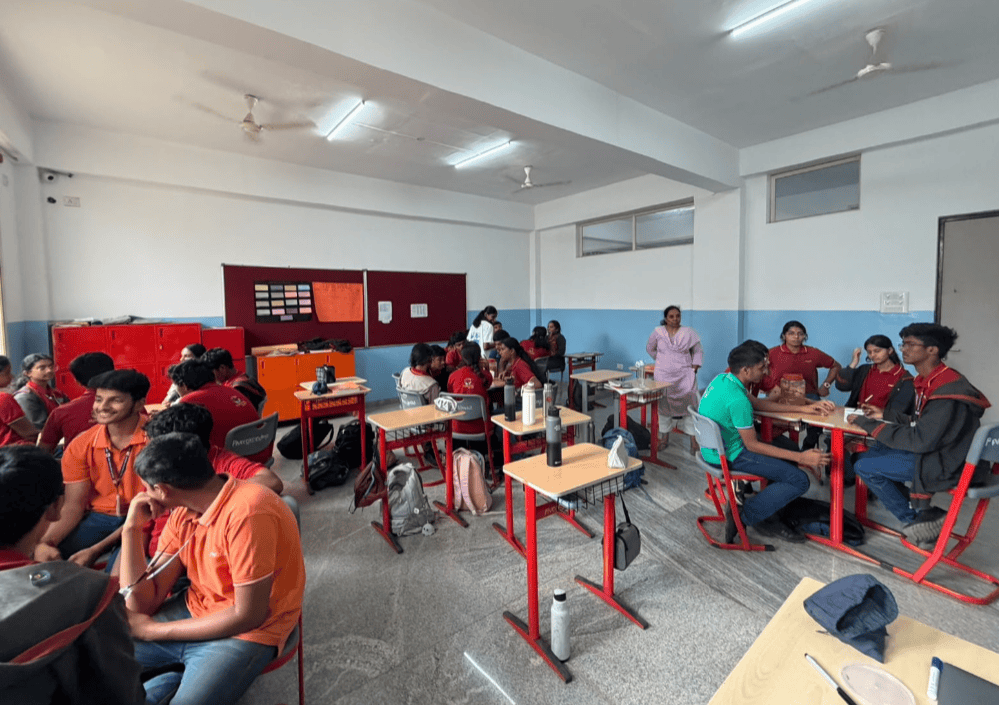
Dhara is a youth-led sustainability education initiative reframing how waste and climate messaging reaches Bengaluru’s 16–24 demographic. Rooted in behavioral science rather than guilt or dramatic lifestyle overhauls, the initiative helps young people build small, sustainable habits that actually stick — closing the gap between environmental concern and everyday action.
Pakistan

Ahmed Yar (ALP ‘24)
I started this project because I saw how climate change, plastic waste, limited opportunities for women, and lack of youth engagement are deeply interconnected challenges in our communities.
IBTIDA
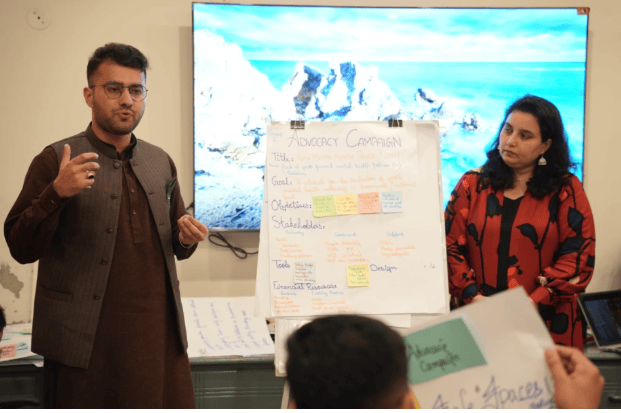
IBTIDA is a youth-led nonprofit in Pakistan tackling climate activism, gender education, and economic opportunity as interconnected challenges. Through a plastic-to-textile livelihoods program alongside environmental and social initiatives, the project turns grassroots action into practical solutions, empowering young people and women to become changemakers in their own communities.
Indonesia

Nabil (ALP ‘26)
What motivated me to help build EcoVibes was a question that became more important the longer we worked with communities: how do we make environmental action continue after the activity itself is over? A workshop can change what someone knows, but we began to believe that lasting impact requires somewhere for that knowledge to go. EcoVibes has never been the vision of one person — it has grown through the time, ideas, work, trust, and hopes of many people who have carried different parts of it.
EcoVibes
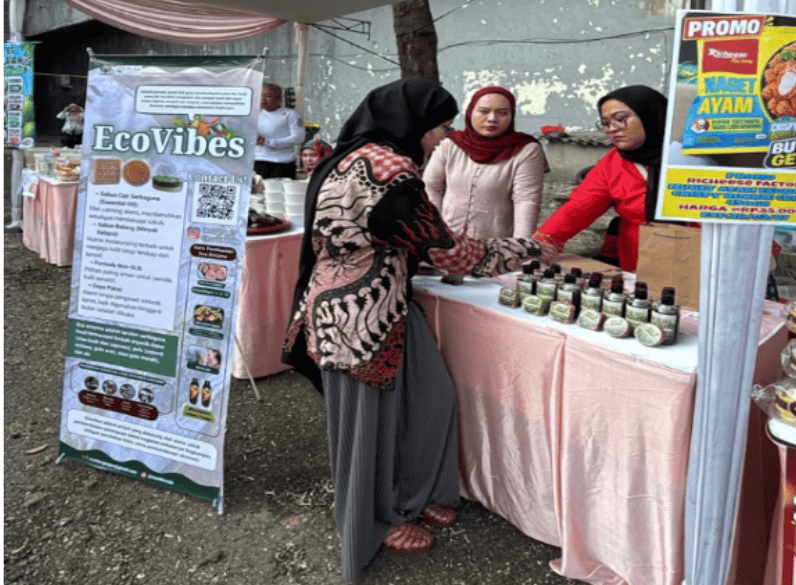
EcoVibes is a community enterprise in East Jakarta turning household kitchen waste into eco-enzyme cleaning products, creating both environmental impact and income for local women. What began as environmental education has evolved into a full pipeline — connecting skills to products, products to paying customers, and community members to roles as producers, peer trainers, and future owners of the model. The team is now working to build a sustainable, community-owned social enterprise that can grow beyond grant funding.
Mexico
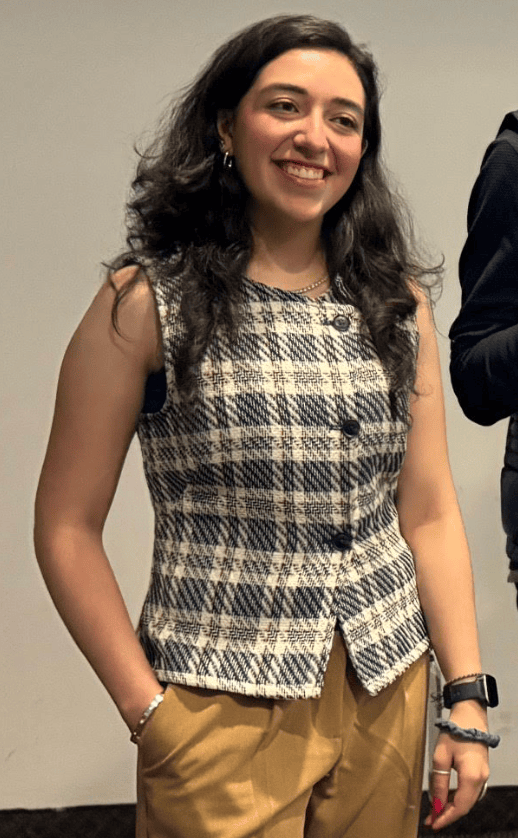
Carol Warren (ALP ‘26)
Honestly, this project started with me. In high school, I spent so much time searching for competitions and opportunities for students like me — and at some point I realized I wasn’t failing to find them; they just barely existed, especially in Spanish. Even with the privilege of speaking English and knowing where to look, it was hard for me. So I kept thinking — what about the students who don’t have any of that? I didn’t want another kid to feel as lost as I did. So I decided to stop waiting for someone else to build it, and become the founder I wish I’d had.
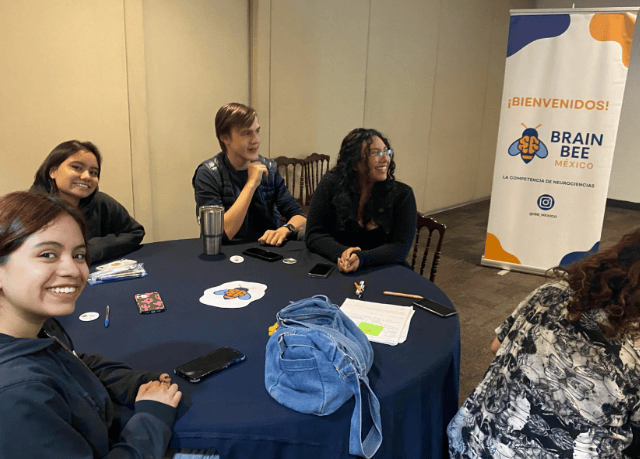
Brain Bee México
Brain Bee México is a national neuroscience competition and mentorship network introducing Mexican high schoolers to the field, built to fill a gap the founder experienced firsthand — the scarcity of Spanish-language science opportunities for students. Winning the Community Action Award gives the initiative the chance to grow from a once-a-year competition into a year-round support system, ensuring more students find a place for themselves in science.
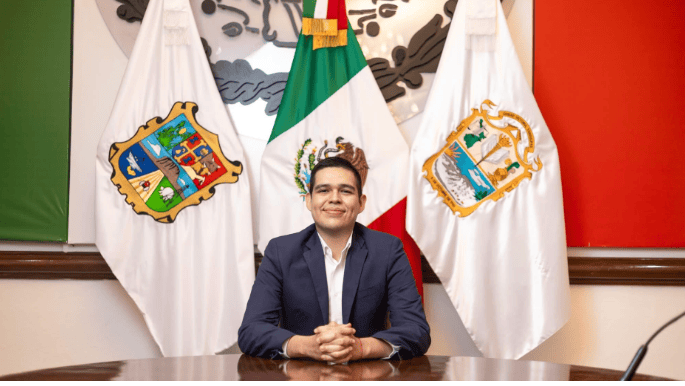
Juan Carlos Lopez Aleman (ALP ‘26)
What inspired me to take part is love for our land, my family, my partner, and my friends. Tamaulipas is home to resilient women and men, with a wealth that goes beyond natural resources: it’s a wealth of talent, skill, and ingenuity. That’s why winning the Community Action Award means, to me, investing in our people — because we are synonymous with quality and human warmth.
Oro Rojo (La Manada Tamaulipeca)
This nonprofit venture formalizes wild chiltepin pepper harvesting into a women-led artisanal food business in rural Tamaulipas, turning a traditional practice into a sustainable source of income. By building structure and market access around the harvest, the initiative invests directly in the resilience and ingenuity of local women and their communities.
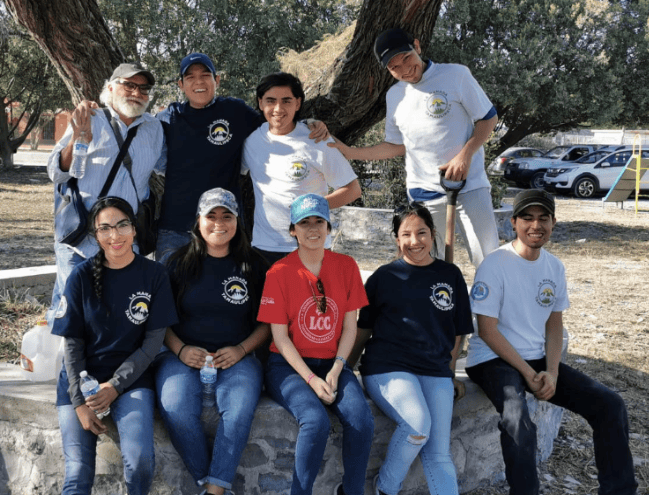
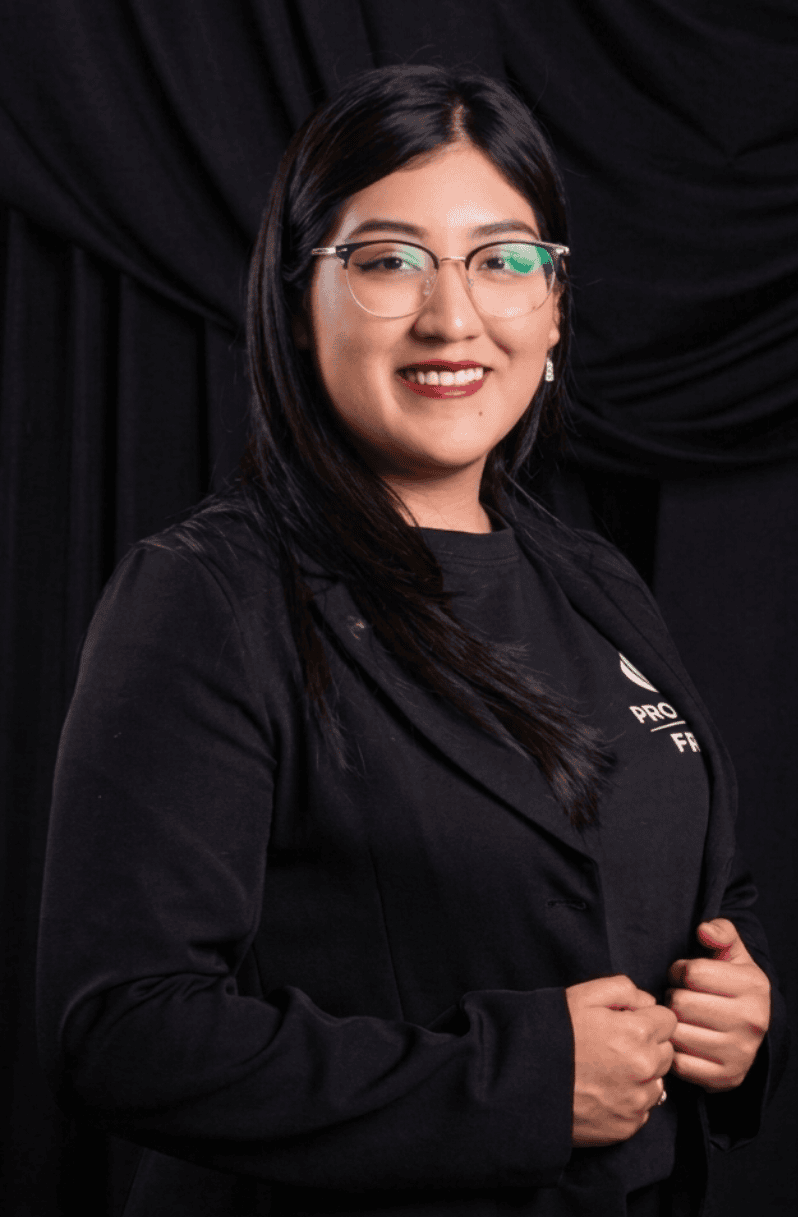
Frida Lizet Guarneros Ramirez (ALP’ 25)
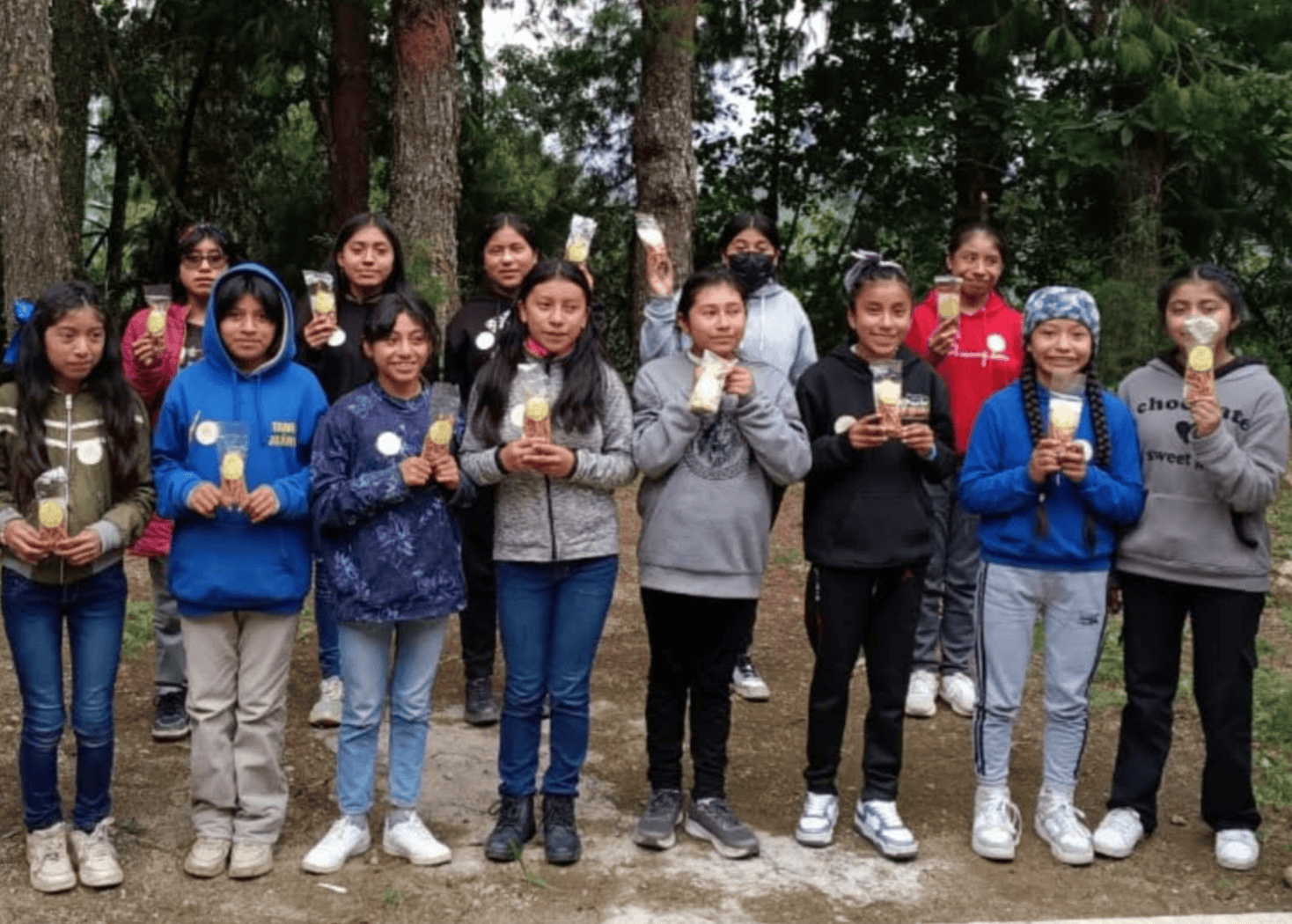
Protavia started as a functional foods startup, but it wasn’t until our first pilot in an elementary school, when the kids came up to us to say thank you and ask us to come back, that I really understood the impact we could have. Winning the CAA means being able to multiply that impact and build a network of producers and suppliers that we empower, working toward a circular economy system in my community.
Protavia
Protavia is a cricket-protein food venture funding nutrition education for children in Puebla and Oaxaca. What began as a functional foods startup found its deeper purpose through a school pilot program, and the team is now working to build a network of local producers and suppliers toward a circular economy model that empowers the surrounding community.
Bolivia

Milko Gonzales (ALP ‘25)
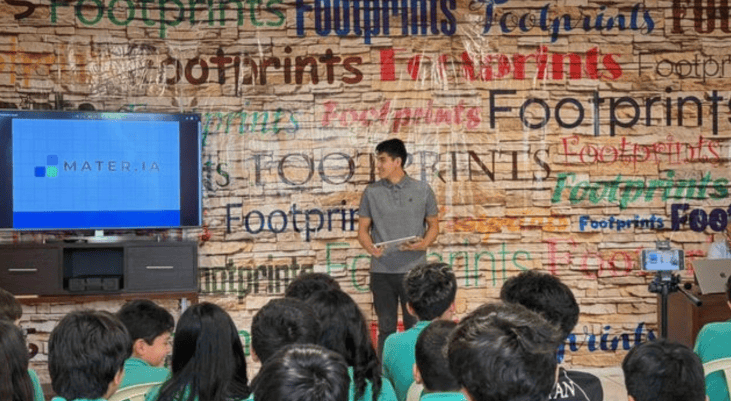
Education runs three generations deep in my family — my grandparents were teachers, my parents are teachers, and now it’s me. What drives me is the education and technology gap in my region, and watching opportunities and better futures not accessible because of something we can actually solve or impact right now. Teachers are the single most influential actor in a child’s education, and yet they’re often left on their own: unresourced, unsupported, saturated. Technology has finally given us the opportunity to change paradigms.
Materia Ed-Tech
Materia Ed-Tech is an AI-powered teaching-assistant platform designed to reduce teacher workload and improve classroom outcomes across Latin America. By equipping teachers with tools that multiply their impact, the platform aims to turn every educator into their most effective version, creating ripple effects across students, families, and entire communities.
United States of America

Emily Ekshian (ALP ‘25)
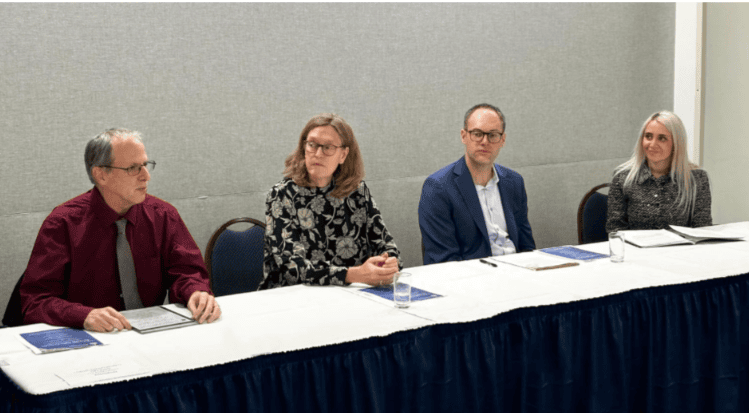
I started Global Impact Briefings because I kept running into the same contradiction in Washington: the people most affected by policy are usually the least invited into the conversations that shape it. The discussions that matter on technology, climate, and security tend to sit behind paid tickets, closed doors, and language written for insiders rather than neighbors. We wanted to build the opposite of that, so every event we run is free, nonpartisan, and structured so that anyone in the room can ask a question directly and walk out with something concrete they can do.
Global Impact Briefings
Global Impact Briefings is a DC-based nonpartisan forum series that connects underrepresented residents directly with policymakers and experts on issues like technology, climate, and security. By making every event free and accessible, the initiative breaks down the barriers — paid tickets, closed doors, insider language — that typically keep everyday people out of conversations shaping the policies that affect their lives.
Zambia
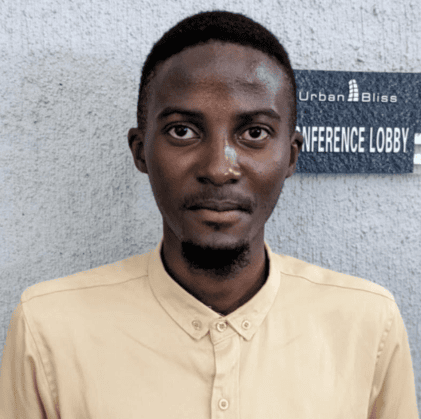
Mapalo Chewe (ALP ‘26)
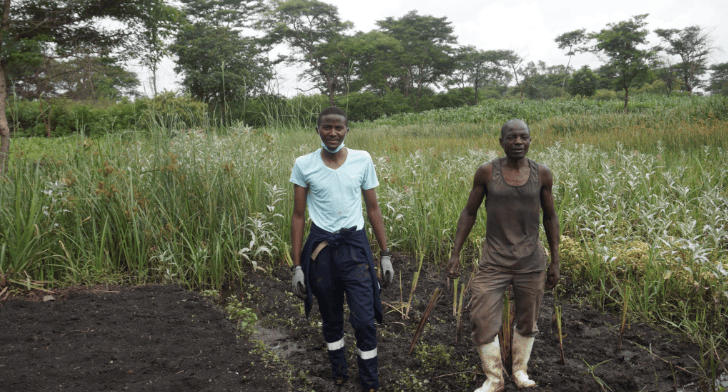
What really motivated me was seeing the gap between communities experiencing serious environmental problems and their ability to access the technical expertise needed to respond. In Zambia, we can sometimes become too dependent on outside support while problems around us continue to grow. Kabwe is a powerful example: researchers from around the world have documented the impacts for years, yet the scale of practical change on the ground has remained limited. I do not want Chambishi or the wider Copperbelt to follow the same path. As an engineer, I believe there is a professional responsibility not only to identify problems and propose solutions, but to help implement them and stay involved long enough to see change.
Community-Based Phytoremediation of the Kafue River
This initiative uses phytoremediation which are plants that absorb and break down pollutants — to address heavy metal contamination in the Copperbelt region’s Kafue River, driven by decades of mining activity. Led by locally grounded technical expertise rather than outside intervention, the project aims to move from a small pilot to a structured, community-run restoration model that can prevent the region from following the same trajectory as heavily polluted sites like Kabwe.